New Regulations for Foreign Workers in Poland in 2026

Poland has introduced the biggest shake-up of its rules for employing foreign workers in years. A new law has been in force since 1 June 2025, and a series of further changes are due through 2026 — covering work permits, fees, penalties, pay, and the position of Ukrainian citizens. This guide explains the new regulations for foreign workers in Poland in plain English: what has changed, the key dates, and what workers and employers need to do.
These rules are set by Polish and EU law and continue to evolve, so always confirm the current position with the official sources before you act.
The New Law at a Glance
The central change is the Act of 20 March 2025 on the conditions of admissibility of entrusting work to foreigners, which came into force on 1 June 2025 and replaced the previous framework. It applies to third-country nationals — people who are not citizens of the EU, the EEA, the EFTA states or Switzerland, or the United Kingdom. Citizens of those countries have free access to the Polish labour market and do not need a work permit.
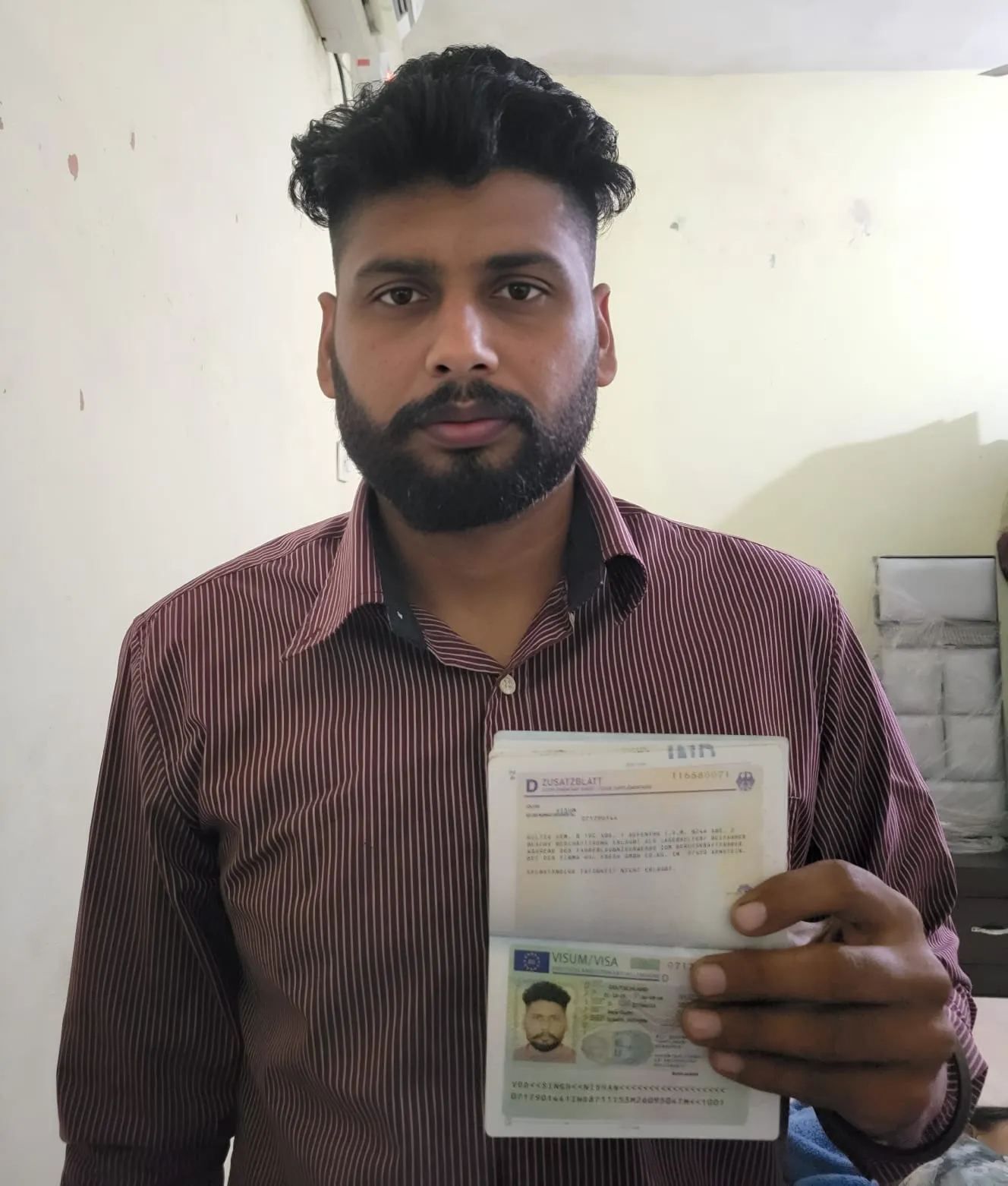
It is important to remember that a work permit only authorises work. It is not a residence title, so a foreign worker still needs a valid visa or residence card to stay in Poland legally.
Everything Moves Online
The procedure is now almost entirely digital. Work permits and declarations of entrusting work are handled through the government portal praca.gov.pl, and employers must set up an account there to communicate with the authorities. Applications, appeals, and decisions are moving online, and paper submissions are being phased out. Employers must also upload a copy of the contract before the foreign worker starts and provide a sworn Polish translation if the contract is in another language.
The Labour Market Test Is Gone
Since 1 June 2025, employers no longer need to obtain a labour market test — the local labour office statement that confirms no Polish worker is available for the role. In its place, local authorities can publish lists of occupations for which permits will not be granted, or give priority to Polish citizens. This removes a slow step but adds a new one to watch.
Higher Fees
From 1 December 2025, the official fees for legalising work rose sharply — in some cases up to four times higher. The fee for a declaration of entrusting work is now PLN 400. Employers should budget for these increases when planning recruitment.
Tougher Penalties and Inspections
Enforcement has been tightened. Fines for illegally entrusting work to a foreigner can reach tens of thousands of zloty — up to around PLN 50,000 — and there are separate fines for failing to file required notifications or to upload the contract. Labour and border authorities can now carry out unannounced inspections, and company management can face personal liability, so accurate records and timely filings matter more than ever.
Pay and Contract Rules in 2026
From 1 January 2026, the national minimum wage is PLN 4,806 gross per month, and the minimum hourly rate for civil-law contracts is PLN 31.40 gross. A foreign worker’s pay may not be lower than this, nor lower than that of comparable workers doing similar work. Employers can still use either an employment contract or a civil-law contract. However, the government has signalled that a mandatory employment-contract requirement may follow, so staffing plans should allow for it.
Salary Transparency
Pay transparency rules are also tightening. From 24 December 2025, employers must state the salary or salary range directly in job advertisements, and Poland is due to implement the EU equal-pay (gender pay gap) directive by 7 June 2026. Job adverts and pay practices should be reviewed against these requirements.
Restrictions on Visas and Status
The new rules close some routes to work. Holders of certain visa types — for example, those issued for family visits, non-university education, medical treatment, or“other” purposes — generally cannot work in Poland. In most cases, a Schengen visa issued by another country does not allow work in Poland either, unless the person also holds a residence permit from that country. Always check that the specific stay basis actually permits employment.
Changes for Students
A student card is no longer an automatic right to work. From 1 July 2026, employers must obtain a work permit for students from universities that are not on the ministerial list, once the transition period ends on 30 June 2026. Employers relying on student workers should check whether the relevant university qualifies.
Ukrainian Citizens in 2026
The position of Ukrainian citizens changed significantly in early 2026. A new law signed on 19 February 2026 took effect on 5 March 2026: it does not abolish protection. Still, it moves it from the emergency special regime into the general system of rules for foreigners. Temporary protection continues, and the legal stay of Ukrainians with PESEL UKR status is confirmed until 4 March 2027.
For work, Ukrainians with UKR status and legal stay can still be employed after the employer files a notification through praca.gov.pl within 7 days of the work starting, and the employee must be registered for social insurance (ZUS) within 7 days of that. Since 1 January 2026, Ukrainian citizens with UKR status can also apply for the EU Blue Card for highly qualified work.
Other Key 2026 Deadlines
- Residence permit applications are moving online through a new electronic platform.
- The route to Polish citizenship is becoming longer and more demanding.
- From 1 April 2026, Poland will stop recognising non-biometric passports issued by Russia.
- The EU Entry/Exit System (EES) is expected to come into operation during 2026, with strict enforcement of the 90-day-in-180-day limit across the Schengen area.
What Foreign Workers and Employers Should Do
- Confirm your stay basis actually allows work, and keep your visa or residence card valid.
- Use the correct legalisation route (permit, declaration, or notification) for your situation.
- Make sure pay meets at least the 2026 minimum and matches comparable roles.
- File notifications and upload contracts on time through praca.gov.pl.
- Keep copies of documents and translations, and watch the key deadlines.
Quick Summary
- A new Act (in force from 1 June 2025) governs the employment of foreign workers in Poland.
- Permits and declarations are handled online through praca.gov.pl, with higher fees and tougher penalties.
- The labour market test is gone; minimum pay from 2026 is PLN 4,806 gross per month.
- Ukrainians keep simplified access via a 7-day notification, with protection continuing under new rules from 5 March 2026.
- Watch the 2026 deadlines for students, visas, residence permits, and border controls.
Register With Us Today
Take the first step toward your Europe career. Choose the option that fits you best.
Advertising & Sponsorships
Please complete this form, and an account executive will get back to you quickly.
Register Now!Planning to Work or Hire in Poland?
AtoZ Serwis Plus helps foreign workers and employers navigate Poland’s new rules — work permits, declarations, documentation, and legal employment under the 2026 changes.
Important Information About the New Rules for Foreign Workers in Poland
The rules for employing foreign workers in Poland — the new Act, online procedures, fees, penalties, pay thresholds, visa and student rules, and the arrangements for Ukrainian citizens — are set by Polish and EU law and continue to change, with several measures phased in across 2026. Always confirm the current requirements and deadlines through official sources such as praca.gov.pl and gov.pl, as well as the voivodeship office handling your case, before you act.
Disclaimer: AtoZ Serwis Plus provides guidance and informational support only. This article is general information, not legal advice, and does not guarantee any outcome. For decisions about your specific situation, consult the competent authorities or a qualified adviser.