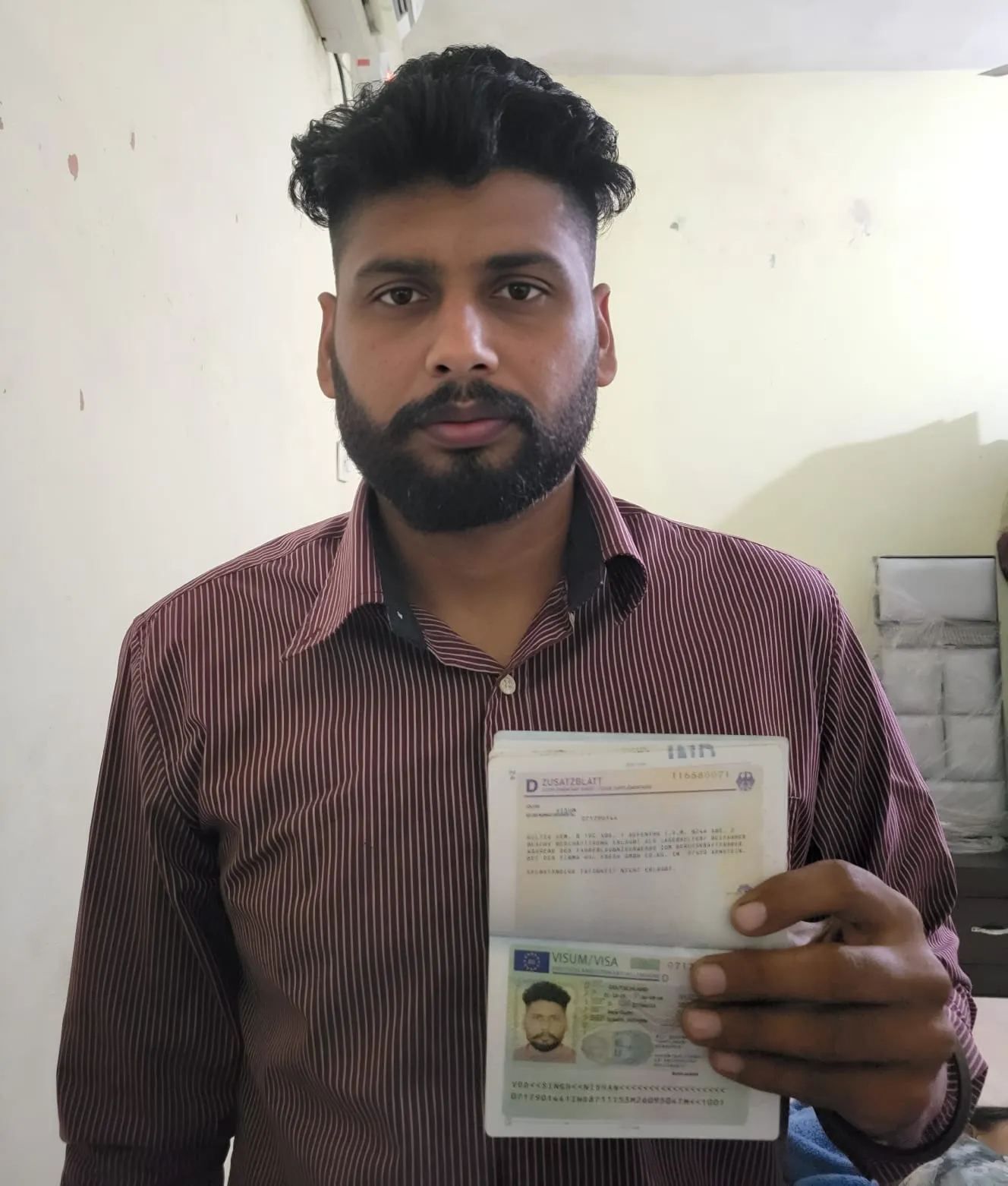
Why apply for Poland Work Visa?
Why Apply for a Poland Work Visa?
- High Job Vacancies: Approximately 150,000 available positions across multiple industries.
- Competitive Average Salary: Average gross annual salary of €15,000.
- Work-Life Balance: Emphasis on flexible working hours and paid time off.
- Strong Economy: Robust job market with IT, engineering, and manufacturing opportunities.
- Excellent Healthcare and Education: Access to quality healthcare and educational systems.
Types of Poland Work Visas
-
Short-Term Visa:
- Schengen Category C Visa: Valid for up to 90 days for business or temporary work.
-
Temporary Visa:
- Type A Work Permit: For employment with a Polish employer.
- Type B Work Permit: For board members residing in Poland for over six months within a year.
- Type C Work Permit: Employees sent to Poland by a foreign employer for over 30 days.
- Type D Work Permit: Employees sent to Poland for export services.
- Seasonal Work Visa: For seasonal employment, valid up to 9 months.
- Working Holiday Programme: For individuals aged 18-30 from specific countries, valid for up to 1 year.
- Entrepreneur Visa: This is for non-EU entrepreneurs who want to start innovative businesses and is valid for 1 year.
-
Long-Term Visa:
- General Work Visa: Valid for up to 3 years, renewable.
- Highly Skilled Migrant Visa: High-level positions are valid for 5 years.
- EU Blue Card: Valid in all EU countries for 4 years, renewable.
- Intra-Corporate Transfer (ICT): For temporary transfers within companies, valid for 3 years or 1 year for trainees.
Benefits of Working in Poland
- Flexible Work Hours: Emphasis on work-life balance.
- High Earning Potential: Competitive salaries across sectors.
- Paid Time Off: Generous vacation and public holiday policies.
- Health Insurance Coverage: Access to quality healthcare services.
- Parental Leave Policies: Maternity, paternity, and parental leave provisions.
- Pension Contributions: Mandatory pension fund contributions.
- Social Security Benefits: Comprehensive social security system.
Eligibility to Work in Poland
- Employment Contract: With a recognised Polish employer.
- Minimum Required Salary: Based on profession and age.
- Entrepreneur Visa: Submission of a viable business plan and proof of sufficient funds.
- ICT Visa: At least 3 months of experience with the employer.
- EU Blue Card: Higher education degree and valid employment contract.
Requirements to Work in Poland
- Valid Passport Or travel document.
- Work Contract: From a recognised employer.
- Proof of Minimum Wage Earnings: Based on profession and age.
- Work Experience Certificates: If applicable.
- Clean Criminal Record: From home country.
- Medical Insurance: Coverage for the duration of stay.
- Relevant Education and Qualifications: The job requirements follow.
- Proof of Sufficient Financial Means: To support oneself.
Steps to Apply for a Poland Work Visa
- Visit the Official Visa Application Website Of the Polish consulate or embassy in your country.
- Choose the Appropriate Work Visa Based on your employment type.
- Complete the Online Application And upload the required documents.
- Pay the Application Fee As per visa type.
- Await Approval: Processing times vary; ensure timely application.
White-Collar Job Shortage in Poland
Poland is experiencing a significant shortage of white-collar professionals, particularly IT, engineering, and healthcare. This scarcity leads to increased competition among employers and rising salaries to attract and retain talent.
Average Salaries for White-Collar Professions
| Profession | Average Gross Annual Salary (€) |
|---|---|
| IT Manager | 50,000 |
| Operations Manager | 48,000 |
| Marketing Manager | 55,000 |
| IT Project Leader | 45,000 |
| Public Relations Manager | 47,000 |
| Lawyer | 45,000 |
| Regional Manager | 43,000 |
| Purchasing Manager | 42,000 |
| IT Director | 60,000 |
| Marketing Director | 65,000 |
Blue-Collar Job Shortage in Poland
Poland faces a significant shortage of blue-collar workers, particularly in construction, manufacturing, and logistics. This trend is driving up wages to attract labour.
Average Salaries for Blue-Collar Professions
| Profession | Average Gross Annual Salary (€) |
|---|---|
| Construction Worker | 20,000 |
| Manufacturing Worker | 18,000 |
| Logistics Worker | 19,000 |
| Hospitality Worker | 17,000 |
| Healthcare Support Staff | 18,000 |
| Warehouse Operative | 18,500 |
| Production Worker | 19,000 |
| Maintenance Technician | 20,000 |
| Machine Operator | 18,000 |
| Delivery Driver | 17,500 |
| Cleaner | 15,000 |
| Forklift Operator | 18,500 |
| Agricultural Worker | 16,000 |
| Painter | 17,000 |
| Plumber | 22,000 |
| Electrician | 24,000 |
| Carpenter | 23,000 |
| Welder | 24,000 |
| HVAC Technician | 26,000 |
Average Monthly Expenses for a Single Person in Poland
| Expense Category | Average Monthly Cost (€) |
|---|---|
| Housing | 600 |
| Utilities | 200 |
| Internet | 30 |
| Food and Groceries | 300 |
| Transportation | 50 |
| Entertainment and Leisure | 100 |
| Healthcare Insurance | 100 |
| Miscellaneous | 50 |
| Total | 1,530 |
Note: These figures are approximate and can vary based on individual lifestyle choices and specific locations within Poland.
Poland Visa Processing Time
- Short-Stay Schengen Visa: 15 - 60 days.
- Type A Work Permit: 3 - 5 months.
- Seasonal Workers Visa: 2 - 4 weeks.
- Working Holiday Programme: 90 days.
- Entrepreneur Visa: 3 months.
- Long-Term Visas: 90 days.
Poland Visa Fees
- Schengen Visa fee: €80.
- Type A Work Permit fee: €150.
- Seasonal Workers Visa fee: €200.
- Working Holiday Programme fee: €60.
- Entrepreneur Visa fee: €350.
- Long-Term Visa fee: €350