Your Gateway to Food Processing Jobs, Skilled Workforce Hiring, and Recruitment Solutions Across Andorra.
Searching for a food processing recruitment agency in Andorra? The honest starting point is that Andorra has no large-scale food manufacturing industry, and any agency implying otherwise is describing something that does not exist. The principality imports almost everything it eats, and there are no meat plants, dairies or industrial bakeries of the kind that define this sector elsewhere in Europe.
What does exist is substantial and worth staffing properly: artisan production, craft bakery and patisserie, charcuterie and cheese made on a small scale in the valleys, brewing, and above all a large hospitality and retail food operation serving several million visitors a year. Central production kitchens, hotel bakeries, butchery counters and food logistics employ more people here than any factory would.
We recruit bakers, pastry chefs, butchers, charcutiers, production kitchen staff, food hygiene personnel, quality and compliance staff and cold-chain operatives for Andorran employers, sourcing across the principality and the neighbouring Spanish and French valleys where the realistic labour market actually sits.
Andorra’s food economy runs on volume that has nothing to do with its resident population. Visitor numbers vastly exceed the number of people living here, and the catering, hotel and retail operations serving them require production capacity that a country of this size would never otherwise support.
That produces a specific staffing problem. Hotel bakeries, central kitchens and retail production counters need trained bakers, pastry staff and butchers, and the domestic population is far too small to supply them. Recruitment reaches across the border by necessity rather than preference.
Housing compounds it severely. Property in the principality is expensive and scarce, and a bakery or kitchen wage does not stretch to living here. The practical consequence is that a great many food production staff live in Spain or France and travel in, or depend on accommodation an employer has secured.
Seasonality shapes the year. Winter ski season and summer visitor peaks drive demand that off-season staffing levels cannot meet, and employers who recruit only when the season starts are competing with every hotel and restaurant in the valley at the same moment.
We recruit into food production specifically, and in Andorra that focus means understanding a market that is small, seasonal and administratively particular.
Our candidates are screened for craft competence, hygiene discipline, high-volume production experience and language capability relevant to a workplace operating in Catalan, Spanish, French and Portuguese simultaneously.
Recruiting in November for a December opening means competing with every operator in the valley. We work against the season calendar so that hiring happens before the market tightens rather than during it.
Food production for public consumption is inspected wherever it happens, and a poor appointment is a hygiene and traceability risk rather than simply an underperforming employee. We verify what a candidate has actually worked to.
Refilling the same seasonal post every year carries costs that never appear on an invoice. Candidates who return for a second and third season are considerably cheaper than a fresh intake each time.
Permits are quota-limited and tied to an employer, so a search conducted without regard to the framework produces a candidate who cannot start. We establish the position before sourcing.
We ask what housing support an employer can offer at briefing, because in this market a strong offer without a place to live is not a strong offer.
Hotel and resort food production. Central kitchens and in-house bakeries supplying large hotel operations through the ski season and summer, where volume and consistency matter more than variety.
Craft bakery and patisserie. Independent and retail bakeries serving both residents and a visitor market with high expectations, requiring genuine craft skill rather than assembly work.
Butchery and charcuterie. Retail counters and small-scale production, including traditional cured products made in the valleys.
Artisan dairy and mountain production. Small-scale cheese and dairy production drawing on alpine tradition, limited in volume but requiring genuine craft competence.
Brewing and beverages. Craft brewing and beverage production serving the domestic and visitor market.
Food retail and distribution. The substantial retail sector serving cross-border shoppers, with in-store production, cold-chain handling and stock operations behind it.
We establish the product volume, seasonal requirements,asone languages the workplace actually oer,te,s ,in and whether accommodation is available, because in Andorra those determine feasibility before skill does.
We confirm the permit position before sourcing, since quota limits and employer-tied authorisation govern who can realistically take the role.
We source across the principality and the neighbouring Spanish and French valleys, alongside wider European candidates where authorisation allows.
Qualifications are verified with issuing institutions and claimed experience examined in detail, including production volumes and the standards a candidate worked to.
For bakery, patisserie and butchery roles, we arrange a practical assessment because craft competence cannot be established from a description.
References come from named supervisors who directly observed the candidate, particularly through a busy season rather than a quiet one.
We address housing before an offer rather than after, since a candidate who cannot find somewhere to live will withdraw or leave within weeks.
We stay in contact through the settling period and toward season end, because a worker who completes one season well is the cheapest recruitment available for the next.
Portuguese-speaking workers form a long-established and significant part of the Andorran labour force, including in food production and hospitality, and a workplace operating in Catalan, Spanish, French and Portuguese at once is entirely normal here.
Authorisation is the governing constraint rather than availability. Permits are limited by quota and tied to an employer and a defined period, so an employer cannot simply select a preferred candidate and regularise afterwards. We establish the position first and tell clients plainly when a route is closed.
We charge candidates nothing at any stage, in Andorra or in any country of origin, and we decline arrangements where a worker has paid an intermediary. Seasonal recruitment attracts fee-charging intermediaries everywhere, and this market is no exception.
Andorra la Vella and Escaldes-Engordany. The commercial centre, holding the greatest concentration of retail food operations, hotel kitchens, bakeries and distribution.
The Grandvalira ski area parishes—Canillo, Encamp and Soldeu, where hotel and resort food production drives strong seasonal demand.
La Massana and Ordino. Northern parishes combining resort operations with small-scale artisan production in the valleys.
Sant Julia de Loria. Southern parish closest to the Spanish frontier, with distribution activity and cross-border commuting.
The Spanish frontier area. La Seu dd’Urgelland the surrounding comarques, from which a substantial part of the workforce travels.
The French frontier area. The Ariege valleys to the north, forming the remainder of the practical catchment.
Andorra sits high, and the practical consequences reach into food production in ways a job description rarely conveys.
Baking at altitude behaves differently. Proving times shift, hydration needs adjusting, and recipes developed at sea level do not transfer unchanged. An experienced baker arriving from the coast will adapt within days, but nobody should be surprised by it and the first week should allow for it.
Winter access shapes staffing more seriously. Roads into the higher parishes can be slow or briefly closed, and a production kitchen expecting an early start needs to know whether its staff can actually arrive. Where employees commute from the frontier valleys, a snowfall becomes a rota problem rather than a personal inconvenience.
Employers who plan around this fare better. Clustering shifts so staff travel less often, providing or arranging transport in the resort parishes, and allowing realistic margins on early starts all cost less than an unstaffed morning during peak season.
We describe these conditions honestly at interview and factor them into matching, because a candidate who understands the commute before accepting is considerably more likely to complete a season than one who discovers it in January.
An Andorran production kitchen may operate in Catalan, Spanish, French and Portuguese simultaneously, and this is normal rather than exceptional.
Catalan is the official language and matters for documentation, regulation and dealings with authorities. Spanish functions as the common working language in most kitchens. French carries weight with northern suppliers and visitors. Portuguese is widely spoken among staff and, in some operations, is the language a shift actually runs in.
The practical requirement is not fluency in all four but the ability to function across at least two, plus a workplace culture that does not leave anyone excluded from safety-critical instruction. Hygiene procedure, allergen handling and equipment safety cannot depend on someone guessing what was meant.
Employers who take this seriously post critical procedures in more than one language and check comprehension rather than assuming it—those who do not eventually discover the gap through an incident rather than a conversation.
We assess language against what a specific kitchen genuinely uses rather than what appears on a job description, and we tell employers plainly when a stated requirement will shrink the pool more than they intend.
Ask whether the agency recruits across the Spanish and French valleys or only within the principality. The second is a population smaller than many European towns and will not fill a seasonal intake.
Ask whether it understands quota and employer-tied authorisation, and whether it establishes the position before sourcing. An agency that does not will present candidates who cannot start.
Ask when it raises accommodation. One that treats housing as the candidate’s problem will send people who withdraw. Ask what it charges candidates, where the answer should be nothing anywhere.
Andorra’s food operations serve a customer base with expectations formed in Barcelona, Toulouse and further afield, which sets a quality bar disproportionate to the country’s scale.
A hotel bakery here is not producing for a captive audience with no alternative. Guests arrive having eaten well elsewhere and notice the difference between competent craft work and industrial product warmed on site. The same applies at retail counters serving cross-border shoppers who could as easily buy in Spain.
That has a direct staffing consequence. Operations competing on quality need genuine craft skill, and the difference between a trained pastry chef and someone finishing bought-in product is visible immediately in a display cabinet. Employers who recruit and pay accordingly build a reputation that carries between seasons; those who staff on availability alone find themselves competing on price against imported product.
There is a related point about consistency. A visitor market is unforgiving of variation, and a kitchen producing well on Tuesday and poorly on Saturday will be judged on Saturday. That places weight on depth of skill across a team rather than on a single capable individual carrying it.
We screen for craft competence rather than exposure and advise clients on role design that keeps skilled people rather than burning them through a season, because in a market this small a reputation for either quality or churn travels quickly.
Employers who secure or subsidise housing fill roles that better-paying competitors cannot, because a wage that looks strong on paper is meaningless without somewhere to live within reach.
Operators increasingly maintain contact with workers between seasons and offer returning terms, having recognised that a proven seasonal worker is worth considerably more than an unknown replacement.
Genuine bakery and patisserie competence is scarce relative to demand, and employers who distinguish craft bakers from assembly staff in both role design and pay retain them.
Kitchens and production areas operating across four languages need staff who can function in more than one, and this is now stated in briefs rather than hoped for.
As retail and hospitality operations professionalise their food safety management, demand for compliance and hygiene personnel has risen from a low base.
Operators who hire well before the season starts consistently secure better candidates than those bidding against the whole valley once demand peaks.
We describe Andorra as it is: a small, seasonal, hospitality-led food economy without industrial processing. Clients get accurate advice rather than a service that does not fit the country.
We recruit across the whole realistic catchment rather than an artificial national one, which is the only way seasonal volume gets filled.
We establish quota and permit position before sourcing, so appointments do not stall at the administrative stage.
Bakery, patisserie and butchery skill is tested rather than assumed, because craft competence shows immediately and cannot be inferred from a curriculum vitae.
Housing is raised at briefing rather than at offer, because it decides more Andorran placements than salary does.
We charge workers nothing anywhere in the chain and decline arrangements built on an upstream fee, which matters most in exactly the seasonal recruitment this market depends on.
Take the first step toward your Andorran food-industry future. Choose the option that fits you best.
Are you a baker, pastry chef, butcher, charcutier, production kitchen worker or food hygiene operative seeking work in Andorra? We are honest about housing and permits before you commit, and never charge candidates a fee.
Register Now!Hire pre-screened bakers, pastry chefs, butchers, production kitchen staff and hygiene personnel for your Andorran operation, sourced across the whole cross-border catchment.
Register Now!Partner with our trusted European network to place qualified food production professionals with verified Andorran employers, with authorisation established and no worker-paid fees anywhere.
Register Now!Not in the industrial sense. There are no meat plants, dairies or factory bakeries, and the principality imports almost everything it eats.
Craft bakery and patisserie, butchery and charcuterie, small-scale artisan cheese, brewing, and substantial hotel and retail production kitchens serving visitors.
Because visitor numbers vastly exceed residents, so catering and retail operations need production capacity a country this size would never otherwise support.
No. An agency implying industrial food recruitment in Andorra is describing something that does not exist, and that is worth knowing before trusting it with anything else.
Substantially from outside the principality. The Spanish comarques to the south and the French valleys to the north form the realistic catchment.
No. The resident population is smaller than many European towns and cannot supply a seasonal intake on its own.
Yes. Portuguese-speaking workers are a long-established part of the labour force, and production areas operating across four languages are entirely normal.
Catalan is official, and Spanish is universally useful, with French valuable given the northern frontier and Portuguese genuinely practical in many kitchens.
Yes, and they are limited by quota and tied to an employer and a defined period, which governs who can realistically take a role.
No. The authorisation position has to be established before sourcing, or an appointment stalls at the administrative stage.
Yes, plainly and at briefing, rather than running a search that produces candidates who cannot legally start.
Because property is expensive and scarce, and a bakery or kitchen wage does not stretch to living in the principality.
Secure or subsidise accommodation. Those who do fill roles that better-paying competitors cannot, because a strong wage without somewhere to live is not a strong offer.
At briefing rather than at offer stage, and we ask what support a client can provide before we begin sourcing.
Strongly. Winter ski season and summer visitor peaks drive demand that off-season staffing cannot meet.
Well before season start. Hiring once demand peaks means competing with every operator in the valley at the same moment.
Consistently. Operators who hire ahead of the rush secure better candidates than those bidding against the whole market later.
Considerably. A proven seasonal worker who returns is worth more than an unknown replacement and costs far less to bring up to speed.
Yes. We stay in contact toward season end, because a worker who completes one season well is the cheapest recruitment available for the next.
Yes. Bakery, patisserie and butchery competence is tested rather than assumed, since it shows immediately and cannot be inferred from a description.
Because genuine competence is scarce relative to demand, and a visitor market with high expectations exposes the difference between craft work and assembly quickly.
Yes, against issuing institutions rather than accepting copies, alongside detailed examination of production volumes and standards worked to.
From named supervisors who observed the candidate directly, ideally through a busy season rather than a quiet period.
Production for public consumption is regulated wherever it happens, so hygiene discipline and traceability matter as they would in any market.
A hygiene and traceability problem rather than simply underperformance, which is why we verify what a candidate has actually workedono.
Yes, and demand has grown from a low base as retail and hospitality operations professionalise their food safety management.
Andorra la Vella and Escaldes-Engordany for commercial concentration, with the Grandvalira parishes driving seasonal resort demand.
La Massana and Ordino combine resort operations with small-scale artisan production in the valleys.
It sits closest to the Spanish frontier, with distribution activity and the shortest cross-border commutes.
Principally La Seu d’Urgell and the surrounding Spanish comarques, and the Ariege valleys on the French side.
Yes. Winter conditions and single-route access make journey times variable, which employers should factor into shift design rather than assume away.
Yes, including production staff, bakers and pastry personnel supplying large hotel operations through the season.
Limited in volume but genuine, drawing on alpine tradition and requiring real craft competence rather than industrial process skill.
Yes, for craft brewing and beverage production serving the domestic and visitor market.
Never, at any stage, in Andorra or in any country of origin, and we decline arrangements where a worker has paid an intermediary to reach us.
Because seasonal hiring attracts fee-charging intermediaries everywhere, and a worker who arrives in debt cannot leave a placement that treats them badly.
By establishing the product, volume, season, working languages, authorisation position and accommodation availability before anything else.
Because a production area operating in four languages needs staff who can function in more than one, and that shapes the realistic pool considerably.
Yes, at briefing, including when the issue is accommodation rather than pay, which in this market is more often the case.
Yes, sequenced so supervisory and craft roles are secured first, then production staff, with authorisation timing built into the schedule.
Yes, for winter and summer peaks, with candidates briefed on the pace and the conditions rather than surprised by them.
An employer receives only what a specific vacancy requires, after the candidate has agreed. Records are held while a lawful reason exists and not beyond.
The employing business, covering employment terms, authorisation, food safety compliance and applicable requirements. We verify and coordinate but cannot assume those duties.
No. Andorran authorisation, quota and employment requirements change. Take qualified advice on specific arrangements.
Contact our team with the parish, the operation, the roles required, the season, working languages and what accommodation support you can offer.
Speak to a specialist and skip the slow hiring cycle. Get pre-vetted bakers, pastry chefs, butchers, charcutiers, production kitchen staff and hygiene operatives for hotels, bakeries, retail food operations and artisan producers across Andorra la Vella, Escaldes-Engordany, Canillo, Encamp, La Massana, Ordino and Sant Julia de Loria. Sourced across the Spanish and French valleys, authorisation position established before sourcing, craft skill assessed practically, and accommodation raised at briefing rather than at offer stage.
Andorra has no industrial food manufacturing. There are no meat plants, no dairies and no factory bakeries, and almost everything eaten here is imported. An agency selling industrial food recruitment into the principality is describing a country that does not exist, and that is worth noticing before trusting it with a real vacancy.
What is real is substantial in its own way. Millions of visitors a year support hotel central kitchens, craft bakeries, patisserie, butchery counters, artisan production in the valleys and a large retail food operation, all of which need trained people. The resident population cannot supply them, so the working catchment runs into the Spanish comarques around La Seu d'Urgell and the French valleys to the north. Recruiting only inside Andorra means fishing in a pool smaller than many European towns.
Two constraints govern everything else. Authorisation is quota-limited and tied to an employer, so the position has to be established before sourcing rather than regularised afterwards. And accommodation decides more placements here than pay does, because property is expensive and scarce and a bakery wage does not reach it. Employers who secure or subsidise housing fill roles that better-paying competitors cannot.
Timing does the rest. Recruiting once the season starts means bidding against every operator in the valley at the same moment, while operators who hire early and cultivate returning seasonal staff consistently do better on both quality and cost.
We assess craft skill practically, verify certificates with issuing institutions, and charge candidates nothing anywhere in the chain.
Andorran authorisation, quota and employment requirements change, and nothing here is legal advice. To discuss a season, an outlet or a workforce plan, contact our recruitment team.
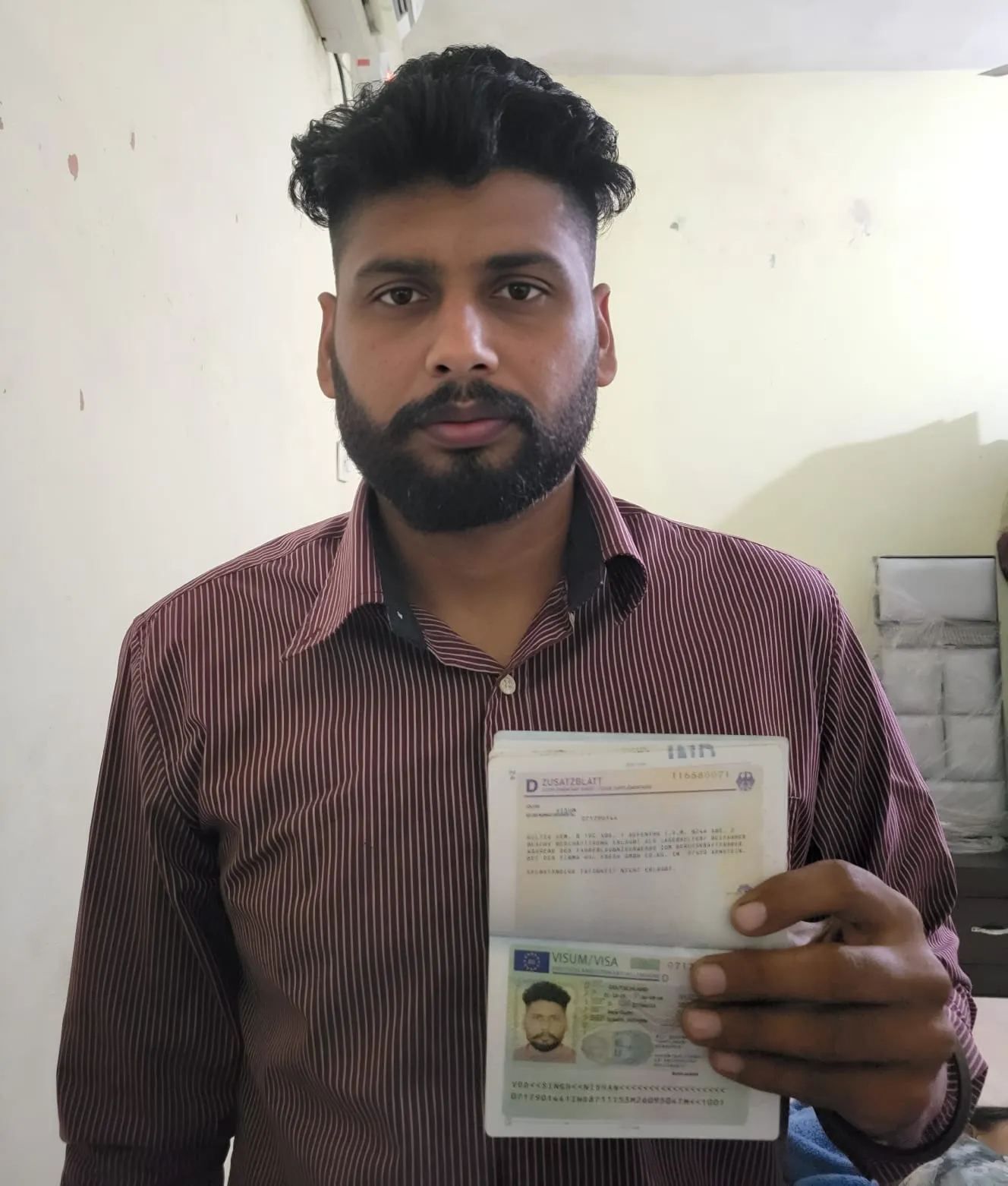
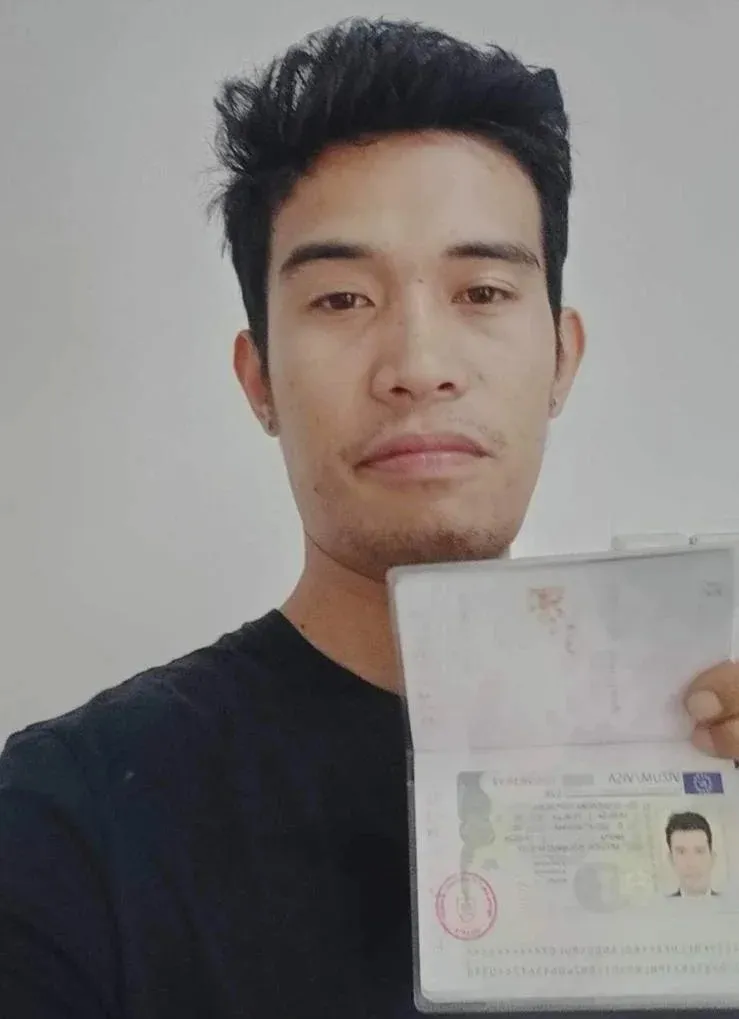
Global clients share how AtoZ Serwis Plus helped them secure work permits, visas, and career support across Europe. Real stories. Real results.
At AtoZ Serwis Plus, we help you become a global citizen with trusted support for jobs abroad, overseas education, and visa processing tailored to your goals.
Read More
Connecting employers, job seekers, students, and agencies across Europe and beyond.
Looking to hire skilled or semi-skilled workers from Asia, Africa, the CIS, or EU countries? AtoZ Serwis Plus supports your recruitment needs for Poland, Germany, Slovakia, Hungary, Lithuania, Estonia, and beyond. We deliver comprehensive legal recruitment services, visa support, and seamless onboarding solutions tailored to your business goals. Partner with us to build a reliable, compliant, and efficient workforce.
EmployerLooking to hire skilled or semi-skilled workers from Asia, Africa, the CIS, or EU countries? AtoZ Serwis Plus supports your recruitment needs for Poland, Germany, Slovakia, Hungary, Lithuania, Estonia, and beyond. We deliver comprehensive legal recruitment services, visa support, and seamless onboarding solutions tailored to your business goals. Partner with us to build a reliable, compliant, and efficient workforce.
Job SeekersAre you a recruiter looking to place workers in Poland, Germany, Slovakia, or other EU destinations? AtoZ Serwis Plus provides you with trusted employer connections, legal recruitment solutions, verified job placements, and full visa assistance. Expand your recruitment business with confidence, supported by clear processes, reliable documentation, and transparent migration services.
RecruiterLooking to work and live in Europe? At AtoZ Serwis Plus, we’re here to guide you every step of the way. Our experts provide support with job search assistance, work visa applications, qualification recognition, and European language learning. To connect with us and get started on your European journey, click one of the contact icons below.
Copyright © 2009-2026 AtoZ Serwis Plus. All Rights Reserved.