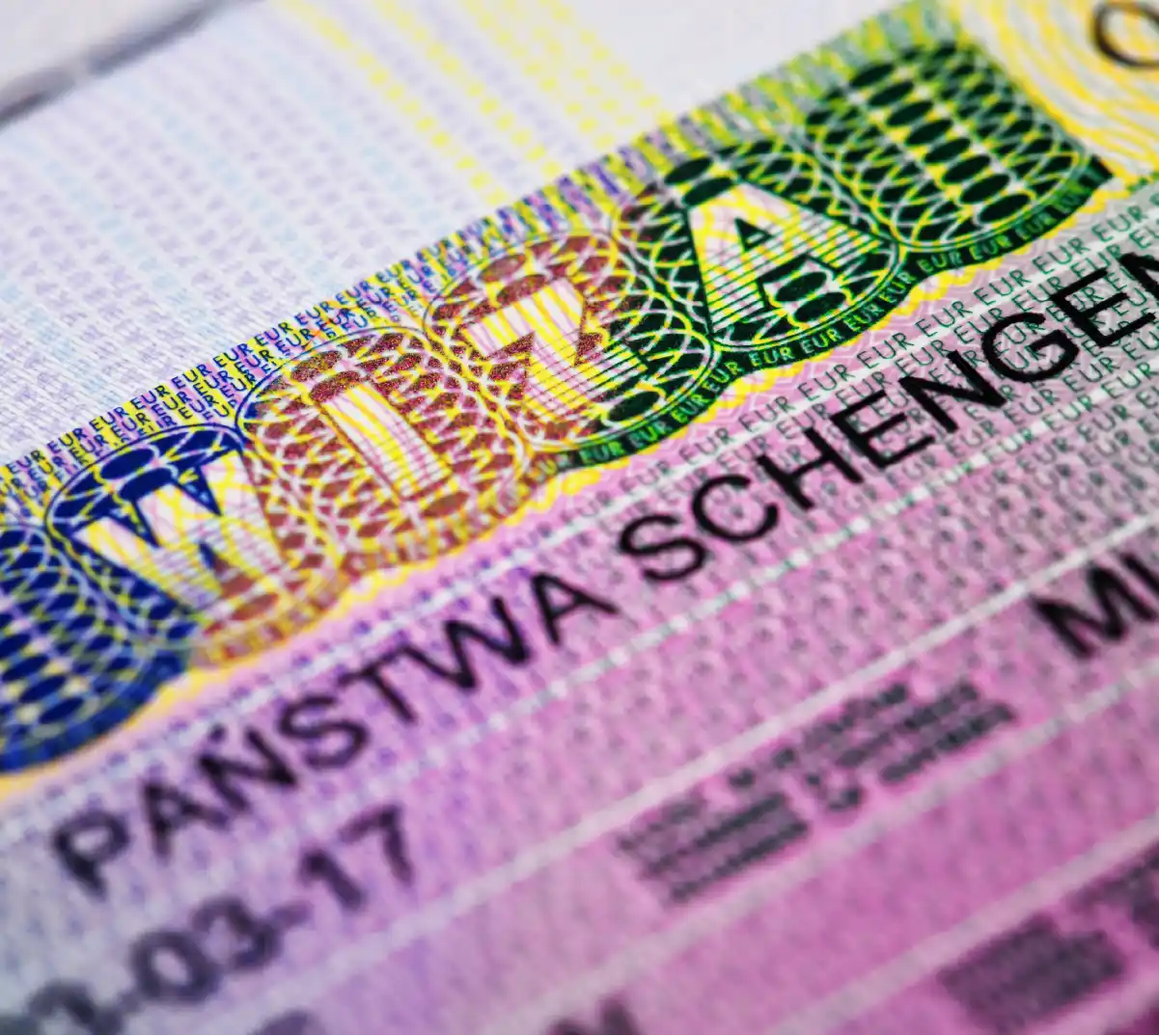
Want to work in Turkey? Get expert visa support
Planning to work in Turkey? A work visa is one of the first things you will need. It is the document that allows you to enter the country and legally start your job. Without it, most non-EU workers cannot begin employment in Turkey, even with a job offer in hand.
This guide was written to keep things simple and clear. Whether you are a worker from India, Nepal, or the Philippines, or a Turkish employer hiring from abroad, you will find honest and useful answers here.
A Turkish work visa is the official travel and entry document that allows non-EU citizens to enter Turkey and work legally, based on an approved work permit or a registered employer declaration.
Turkey is a popular destination for foreign workers. Turkey is a transcontinental country bridging Europe and Asia, with a strong tourism sector and growing IT industry. The demand for skilled and semi-skilled workers keeps growing every year.
Here are a few key points to know:
There is no single visa that fits everyone. Turkey offers several options based on the kind of job and how long you plan to work.
1. Standard Work Visa: The main visa for most foreign workers. It covers full-time jobs that last more than 90 days.
2. Seasonal Work Visa: Best for short-term jobs such as farming, fruit picking, tourism, and hospitality. It is usually valid for up to 9 months per year.
3. Skilled Worker Visa: Designed for qualified professionals with specific experience or education, often linked to shortage occupation lists.
4. EU Blue Card (where applicable): For highly skilled professionals with higher education and strong salary offers. It offers better benefits and longer validity.
5. Intra-Company Transfer Visa (ICT): Used when a multinational company moves staff from a foreign branch to its Turkish office.
You need a Turkish work visa if you are a citizen of a non-EU, non-EEA, or non-Swiss country. EU citizens can work in Turkey without a visa, as they have full access to the labour market (where applicable).
The most common countries of origin for Turkey work visa applicants include:
Before starting, make sure you meet the basic requirements. Here is a simple checklist:
Some jobs may require basic proficiency in Turkish or English. It is not always mandatory, but it can help.
The Turkish employer is the first to handle the paperwork. Without their documents, the worker cannot apply for a visa.
Here is what the employer must prepare:
Even small mistakes in employer paperwork can delay the visa by weeks. Careful checking is always worth the time.
The worker's documents prove identity, qualifications, and readiness to travel. These must match the employer's paperwork.
Here is the full list:
Keep at least 2 sets of photocopies for every document. It saves a lot of trouble later.
A sworn translator must translate most documents that are not in Turkish. Some, such as police clearances and educational certificates, may also require an apostille or legalisation. It depends on the country the document is from.
Here is a simple guide:
Make sure every scan is clear, complete, and in colour where needed. Blurry scans are one of the top reasons for refusal.
Let's break down the full process in a simple way.
Step 1 — Employer Applies for the Work Permit. The Turkish employer submits the work permit application to the relevant authority.
Step 2 — Work Permit or Declaration Issued. Once approved, the permit or declaration is given to the employer. Processing usually takes 30 to 60 days, depending on the region and role.
Step 3 — Worker Books a Visa Appointment. After receiving the permit, the worker books a visa appointment at the Turkish consulate or authorised visa centre.
Step 4 — Worker Submits the Visa Application. On the appointment day, the worker submits the visa form, passport, supporting documents, and pays the visa fee. Biometric data is also collected.
Step 5 — Visa Interview (If Required). Some applicants are called for a short interview. The consular officer may ask:
Just answer honestly and clearly. It is a simple check, not a test.
Step 6 — Visa Decision and Collection. After review, the consulate issues the decision. If approved, the work visa is stamped in the passport, and you can travel to Turkey.
Here are realistic timelines:
Always apply early. A buffer of at least 2 months before your planned travel date is recommended.
A Turkish work visa is usually issued for up to 365 days. The length depends on the work permit and the employment contract.
You can enter and exit Turkey multiple times while the visa is valid. For longer stays, you can apply for a temporary residence and work permit after arrival.
Many refusals result from small, avoidable mistakes. The top reasons include:
A careful review before submission can save a lot of time and stress.
Many applicants mix these two up. Here is the simple difference:
Work Permit
Work Visa
In most cases, you need both before starting work in Turkey.
Turkey has become an attractive job market for foreign workers. Here is why many choose it:
For many workers, Turkey is not just a short-term move. It often becomes a long-term home.
Here are the sectors with the highest demand:
The most common jobs among Turkish work visa applicants include:
Many of these roles are on Turkey's shortage occupation list, which can speed up the work permit process.
Here is a realistic monthly budget for a single worker:
Average total: around ₺25,400 to ₺53,300 per month.
Ankara is usually 20 to 30 per cent more expensive than smaller cities.
Salaries depend on industry, role, and experience. Here is what you can expect:
At AtoZ Serwis Plus, we have been helping foreign workers and employers for over 17 years. We know the process can feel overwhelming, especially the first time.
Here is how we help:
We do not make false promises. We focus on real, honest support from the first consultation to your first day in Turkey.
For official and up-to-date information, check these trusted sources:
AtoZ Serwis Plus supports individuals and employers with complete work visa services across Turkey, helping candidates access legal employment opportunities in major cities such as Istanbul, Ankara, Izmir, Bursa, Antalya, Adana, Konya, and Gaziantep. We assist with understanding job requirements, Turkish work permit procedures, and application standards to ensure a structured and reliable process.
From preparing documentation to guiding applicants through each stage of the Turkish work visa process, we focus on compliance with Turkish regulations and practical support. Our goal is to make the journey to work in Turkey more transparent, efficient, and accessible across all key cities for both job seekers and employers.
A Turkish work visa is a long-stay national visa that allows non-EU citizens to enter and legally work in Turkey, provided they hold a valid work permit or an employer declaration.
Most non-EU, non-EEA, and non-Swiss citizens need a Turkey work visa. EU citizens can work in Turkey without a visa or work permit (where applicable).
The work permit allows you to be employed in Turkey, while the work visa allows you to enter the country for that job. Both are usually needed.
The Work Visa is the most common. It is used for jobs that last more than 90 days.
Most applications are processed within 30 to 60 working days, depending on the workload and the specific case.
You can apply at the Turkish consulate in your home country or at an authorised visa centre.
You will need a valid passport, visa form, photos, work permit, employment contract, accommodation proof, insurance, and financial proof.
Yes. You must have a valid work permit or a registered employer declaration from a Turkish employer before you apply.
Most Turkey work visas are valid for up to 365 days, depending on the work permit and contract.
Work visas are not usually extended inside Turkey. You will need to apply for a residence and work permit for a longer stay.
Yes, but family members must apply separately under the family reunification process.
Sometimes. Some applicants are called for a short interview about the job, salary, and travel plans.
Yes. The most common reasons are incomplete documents, weak financial proof, unclear accommodation, or false information.
The EU Blue Card is a premium work permit for highly qualified professionals. It offers better benefits, higher salaries, and easier mobility in Europe.
Yes. The EU Blue Card is only for skilled professionals with higher education and a strong salary offer.
No. The visa is tied to one employer. If you change jobs, a new work permit and, in some cases, a new visa are required.
Yes. You must have valid travel and health insurance that meets the standard coverage, covering your first stage of stay.
The amount changes each year. As a guide, applicants usually show enough funds to cover their first few weeks in Turkey.
No. A tourist visa does not allow employment. Working on a tourist visa is illegal and can lead to deportation.
It is a simplified form of work permit used in some cases for shorter contracts. It is quicker to register than a full work permit.
It depends on the region and job type. Most work permits are issued within 30 to 60 days after the employer submits the application.
Yes. After 8 years of legal stay on a residence permit, you can apply for permanent residency in Turkey.
You must leave Turkey before it expires, unless you have applied for a residence permit. Overstaying can lead to bans and future refusals.
Not always. Many jobs are available in English, especially in IT, customer service, and international companies. Basic Turkish can help with daily life.
Yes. We guide workers and employers through every step, from paperwork and permits to interviews and post-arrival support in Turkey.
AtoZ Serwis Plus provides professional support for Turkish work visa applications, helping individuals and employers understand requirements, prepare documentation, and navigate the visa process with clarity and confidence.




Copyright © 2009-2026 AtoZ Serwis Plus. All Rights Reserved.