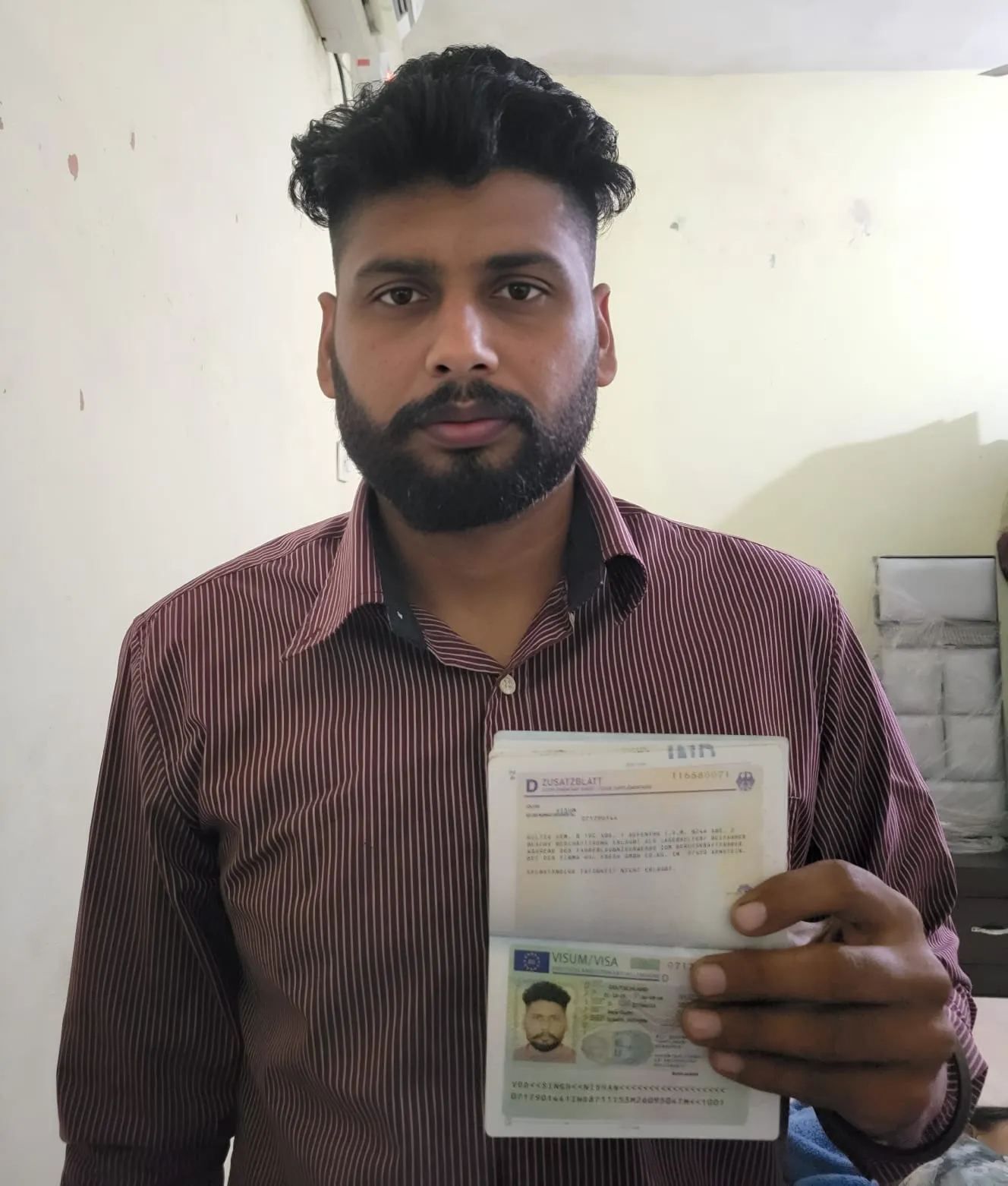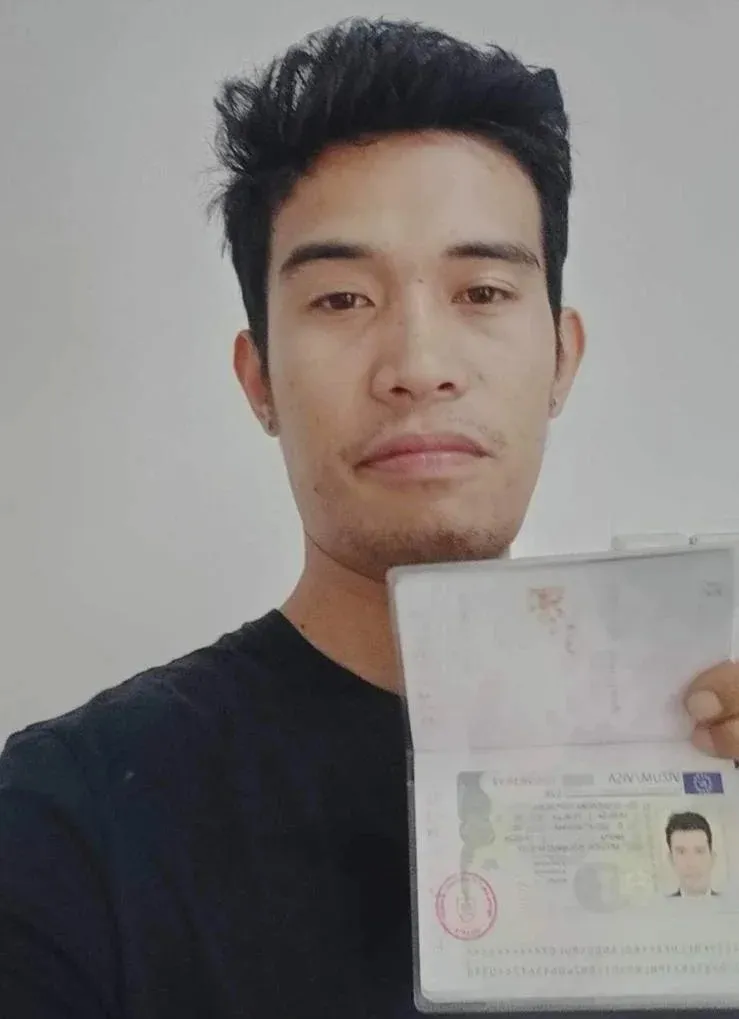
Want to Work in Albania? Avail Our Expert Services
Albania does not need to persuade skilled workers. The labour market data does that on its own.
Albania is a fast-developing Balkan economy with growing tourism, BPO, and manufacturing sectors centred in Tirana, Durrës, Vlorë, and Shkodër. Despite ongoing investment in domestic workforce development, Albania consistently fails to fill the gaps that matter most. Hospital wards are short of nurses and specialist doctors. Construction sites cannot source enough electricians and welders. Technology companies advertise senior developer roles for months without finding the right candidates domestically. Logistics operators run short of qualified Category C and CE drivers. Manufacturing plants struggle to fill skilled production roles.
Albania is an independent country outside the EU and Schengen Area. Working here legally means working under comprehensive Albania's labour code and working time regulations protection, full social insurance coverage through Social Insurance Institute of Albania, access to public healthcare and pension entitlements, and a clear, structured path to permanent residency after 5 years. These are not peripheral benefits. For workers from countries outside Europe, they represent a genuinely transformative set of rights.
Albania's average gross monthly salary is approximately ALL 75,000 to 90,000 (~EUR 750 to 900) — competitive within the regional market and significantly above what most foreign workers earn in their countries of origin. And unlike many countries with multi-month bureaucracies, Albania offers a fast-track Single Permit that processes in as little as 30 to 60 days — one of the more efficient legal work authorisation pathways currently available.
Albania's immigration system is managed through Albanian Ministry of Internal Affairs and the National Employment Service, with applications processed via the e-Albania portal (e-albania.al). The system is transparent, documented, and manageable. For properly prepared workers, it is one of the more reliable pathways currently available into the international labour market.
Find Jobs in Albania with AtoZSerwisPlus
A Albanian employment visa — known officially as the Type C Work Permit — is the document that authorises a foreign national to enter Albania and reside legally for paid employment with a specific Albanian employer.
Albania operates similarly to most European countries: the work-based residence permit covers both the right to reside and the right to work. For nationals requiring an entry visa, a separate long-stay D visa is issued by the Albanian embassy to allow entry for collecting the residence permit on arrival.
The application typically involves coordinated action by both worker and employer. The employer initiates or supports the work permit application through Albanian Ministry of Internal Affairs and the National Employment Service, while the worker submits the visa or residence permit application through the e-Albania portal (e-albania.al) or the Albanian embassy in their country of origin. Both sides must act for the process to move forward.
For workers from countries requiring a visa to enter Albania, a long-stay D visa is issued alongside the approved work-based residence permit. This allows travel to Albania immediately after permit approval, with a D visa sticker attached to the passport. Upon arrival, the worker collects the residence permit card and registers their address with the local municipality.
Albania's immigration applications are processed through the e-Albania portal (e-albania.al), operated by Albanian Ministry of Internal Affairs and the National Employment Service. Applications, employer submissions, correspondence, and decisions are managed through this platform with real-time status tracking and automated notifications.
The work-based residence permit is tied to a specific employer and field of employment. Changing employers generally requires a new permit application or formal notification to Albanian Ministry of Internal Affairs and the National Employment Service, depending on the permit type held.
Working legally in Albania as a non-EU national requires two actions running in parallel — the worker's submission through the Albanian embassy or the e-Albania portal (e-albania.al), and the employer's supplementary submission to Albanian Ministry of Internal Affairs and the National Employment Service. When both sides act promptly, the process is straightforward. When either side delays, the entire application is put on hold.
The worker prepares their application package — passport, signed employment contract, academic credentials, criminal record certificate, proof of accommodation, and other required attachments. The worker books an appointment at the nearest Albanian embassy, consulate, or visa application centre to lodge their application, prove identity, and submit original documents. The application fee is paid at submission. After approval, the worker receives a long-stay D visa allowing entry into Albania.
The employer initiates the work permit application or its supporting submission to Albanian Ministry of Internal Affairs and the National Employment Service, providing the signed employment contract, evidence of compliance with Albanian labour law, proof of corporate registration, and where required, evidence of the labour market test (a check that suitable local or EU/EEA labour is unavailable). Prompt and complete employer submission directly accelerates the processing timeline.
Most foreign nationals require a work permit to work legally in Albania. Limited exemptions apply for short-term business visitors, certain diplomatic personnel, and specific bilateral agreement holders. All other nationals — including those entering Albania visa-free for tourism — must obtain a work-based authorisation from Albanian Ministry of Internal Affairs and the National Employment Service before starting employment. The application route runs through the e-Albania portal (e-albania.al).
Workers who hold a continuous work-based residence permit for 5 uninterrupted years can apply for permanent residency through Albanian Ministry of Internal Affairs and the National Employment Service — this removes the employer-specific restriction and grants the right to live and work in Albania indefinitely.
Albania offers several work-based permit categories. The right one depends on your qualifications, the nature of the work, the employer's circumstances, and your country of origin.
The most common route for non-EU foreign workers in Albania. Covers employment with a Albania-registered employer under a signed Albanian employment contract. A labour market test by the relevant Albanian employment authority may be required. Processing time approximately 60 to 90 days. Applied through the e-Albania portal (e-albania.al).
Designed for highly skilled professionals — IT specialists, engineers, healthcare professionals, and senior experts. The labour market test is reduced or waived. Processing time approximately 30 to 60 days — among the quickest legal work authorisation pathways in the region.
Albania is not in the EU and does not issue the EU Blue Card. However, Albanian Ministry of Internal Affairs and the National Employment Service provides expedited processing for highly qualified specialists with recognised university degrees, senior-level experience, and salary offers above the standard market threshold. The Highly Qualified Specialist route offers reduced documentation requirements, fast-tracked processing in approximately 30 to 60 days, and easier renewal terms compared to the standard Type C Work Permit. Applications are submitted through the e-Albania portal (e-albania.al).
For short-term roles in agriculture, horticulture, hospitality, and tourism. Valid for up to nine months per calendar year. Faster processing than the Type C Work Permit where labour market test requirements are reduced or waived for qualifying seasonal roles.
For innovative entrepreneurs planning to establish technology or research-based businesses in Albania. Evaluated by the relevant national innovation or business development agency. Requires a documented business plan, sufficient capital, and demonstration of innovation potential.
For managers, specialists, and trainee employees transferred by a foreign parent company to a Albanian branch or subsidiary. Streamlined processing applies. Validity typically aligns with the assignment duration, and mobility within the corporate group is supported.
Issued by the Albanian embassy or consulate after the work permit is approved. Allows entry into Albania immediately, before the residence permit card is collected. Required for nationals needing a visa to enter Albania.
A legal work-based residence permit in Albania is not an administrative formality. It determines the full scope of your rights — as a worker, a resident, and as someone building a documented immigration record in Europe.
Albania's labour code and working time regulations fully covers every worker with a valid permit and an employment contract. The employer is legally obligated to pay the agreed salary on time, enrol you in the Albanian social insurance system, provide safe working conditions, and grant statutory paid annual leave. Without a valid permit, none of these protections is legally enforceable.
Registration with Social Insurance Institute of Albania provides healthcare coverage, pension accumulation, sick pay entitlements, parental leave, and unemployment benefits. These contributions build your qualifying record toward long-term residence and eventual permanent residency. For workers building a long-term life in Albania, this is the foundation of financial and medical security.
A Albania residence permit demonstrates a documented legal employment record in a stable international jurisdiction. This strengthens future visa applications elsewhere — workers with verified European or international employment history are favourably assessed by immigration authorities worldwide.
5 years of continuous legal residence in Albania on a valid work-based permit qualifies you for permanent residency — among the more accessible qualifying periods in Europe. Albanian Ministry of Internal Affairs and the National Employment Service processes permanent residency applications, which remove employer-specific restrictions and grant the right to live and work in Albania indefinitely. EU Blue Card holders typically have an even faster track. Permanent residency is the foundation for eventual citizenship eligibility, which usually becomes available after a longer qualifying period of legal residence and confers full national rights including political participation.
Once you hold a valid Albania residence permit, your spouse and dependent children can apply to join you through family reunification. Their permits match your validity and are renewable alongside yours. Spouses can typically apply for their own work authorisation, opening dual-income household possibilities. School-age children gain access to the Albanian education system on the same terms as nationals.
A documented Albania employment and residency history strengthens future immigration applications across international destinations. Albanian work records — particularly those involving certified professional roles — are recognised throughout the international labour market.
Before starting any application, both the worker and the employer must confirm they meet the eligibility requirements. Submitting without meeting these baseline criteria leads to delays, rejections, and wasted application fees.
Document preparation is where applications succeed or fail. Albanian Ministry of Internal Affairs and the National Employment Service has structured, non-negotiable requirements. Missing a document or submitting an incorrect translation delays the entire process. The single best protection against rejection is preparing all documents correctly in advance.
All documents not in the official Albanian language(s) require certified translation before submission.
Apply as a Job Seeker with AtoZSerwisPlus
Albania's labour shortages are sector-specific and officially documented. These reflect consistent, measurable employer demand confirmed by Albanian Ministry of Internal Affairs and the National Employment Service.
Albania faces an urgent labour shortage in healthcare. An ageing population and emigration of Albanian medical professionals have created critical workforce gaps among registered nurses, specialist doctors, physiotherapists, care home support workers, and medical laboratory technicians. Hospitals and care facilities in Tirana, Durrës, Vlorë, Saranda actively recruit internationally. Year-round contracts with structured onboarding and Albania language training are standard.
Apply in Healthcare with AtoZSerwisPlus
Albania is implementing major infrastructure programmes funded through public investment. Road construction, rail expansion, residential housing, and commercial development drive demand for certified welders, electricians, plumbers, civil engineers, CNC operators, formwork carpenters, and general site operatives. Accommodation is frequently included.
Apply as a Welder with AtoZSerwisPlus
Albania's position as a regional logistics hub creates consistent demand for Category C and CE truck drivers, forklift operators, warehouse team leaders, and logistics coordinators. Major distribution centres are based in Tirana and surrounding regions. One of the highest-volume sectors for foreign worker placements.
Apply as a Driver with AtoZSerwisPlus
Tirana, Durrës, Vlorë are established regional technology hubs. The Single Permit route — processing in 30 to 60 days — was designed for highly skilled IT professionals. Software developers, cybersecurity specialists, DevOps engineers, data scientists, and AI/ML engineers are in consistent demand. Salaries are at the upper end of the market.
Albania's manufacturing sector — including tourism and hospitality, construction, manufacturing, agriculture — is one of the largest employers of skilled foreign workers. Plants are located across Tirana, Durrës, Vlorë, Saranda. Roles range from CNC machinists and quality control technicians to industrial electricians and production supervisors.
Albania's agricultural sector relies extensively on foreign workers — particularly during peak harvest seasons. The Seasonal Work Permit allows up to nine months of legal employment per calendar year. Greenhouse operations, dairy farms, harvest crews, and meat-processing facilities advertise consistently. Accommodation is typically included.
Albania's tourism sector — particularly strong in the historic centres and coastal regions of Tirana, Durrës, Vlorë — generates seasonal and year-round demand for chefs, kitchen staff, housekeepers, hotel receptionists, restaurant servers, and tourism guides. Major hotel chains offer structured visa support and accommodation.
These roles represent consistent, documented employer demand confirmed by Albanian Ministry of Internal Affairs and the National Employment Service and reflected in Albania's national shortage-occupation lists:
Workers in any of these roles enter the Albania permit process with a meaningful structural advantage. Labour market tests are typically waived or expedited where the role appears on the official shortage list, and processing times generally fall toward the lower end of the published range.
Albania's statutory minimum wage applies to all employees, with regional or sector-specific variations regulated by General Directorate of Taxes (tatime.gov.al). For work permit purposes, the contract salary must meet either the applicable minimum wage or the higher work permit threshold of ALL 50,000 (~EUR 500) per month for general roles as specified by Albanian Ministry of Internal Affairs and the National Employment Service.
The national average gross monthly salary across all sectors is approximately ALL 75,000 to 90,000 (~EUR 750 to 900), based on official the Albania national statistics office data. The median is typically a few percentage points lower than the average.
All figures below are gross monthly. Net take-home is lower after employee-side social insurance contributions and progressive income tax. Albania's income tax ranges from approximately 0% to 23%.
| Occupation | Monthly Gross (Albanian Lek (ALL)) |
|---|---|
| Minimum work-permit threshold | ALL 50,000 (~EUR 500) per month for general roles |
| Agricultural seasonal worker | ALL300 – ALL500 |
| General labourer/factory operative | ALL400 – ALL700 |
| Cook / Chef | ALL500 – ALL900 |
| Hotel and housekeeping staff | ALL400 – ALL700 |
| Caregiver/care home support worker | ALL400 – ALL700 |
| Construction worker | ALL500 – ALL900 |
| Certified welder | ALL600 – ALL1,100 |
| Electrician or plumber | ALL600 – ALL1,200 |
| Forklift operator | ALL500 – ALL900 |
| Truck driver — Category C and CE | ALL600 – ALL1,200 |
| CNC machine operator | ALL600 – ALL1,100 |
| Nurse or healthcare professional | ALL500 – ALL1,000 |
| Medical doctor/specialist | ALL1,200 – ALL2,800 |
| Financial analyst or accountant | ALL700 – ALL1,800 |
| Civil engineer | ALL800 – ALL2,000 |
| Software developer | ALL1,200 – ALL3,500 |
| Cybersecurity specialist | ALL1,500 – ALL4,000 |
| IT project manager | ALL1,800 – ALL4,500 |
Salary data reflects current published ranges from the Albania national statistics office and major recruitment platforms. Actual salaries vary by experience, qualifications, and location. Salaries in Tirana tend to be approximately 10-20% higher than the national average.
This is the real, current process — structured around how Albanian immigration law and the Albanian Ministry of Internal Affairs and the National Employment Service system actually work. Skip a step or take them out of order, and the application stalls or is refused.
You need a signed employment contract from a company currently registered and operating in Albania. The contract must state your job title, gross salary meeting Albanian Ministry of Internal Affairs and the National Employment Service's minimum threshold of ALL 50,000 (~EUR 500) per month for general roles, working hours, start date, contract duration, and work location. A verbal offer or letter of intent has no legal standing.
Find a Job in Albania with AtoZSerwisPlus
Confirm whether you need the Type C Work Permit, the Single Permit, the Highly Qualified Specialist permit, the Seasonal Permit, or another category. For regulated professions — nursing, medicine, engineering, teaching — qualification recognition can take several months and must be completed first.
Submit your application through the e-Albania portal (e-albania.al) or at the nearest Albanian embassy, consulate, or visa application centre. Pay the application fee at submission. Online applications can typically be processed with greater automation, reducing processing time.
The employer logs into the relevant Albanian employer portal and adds the terms of employment, employment contract, and supporting documents promptly. Employer delay is one of the most common causes of extended processing times.
Register as an Employer with AtoZSerwisPlus
Book an appointment at the nearest Albanian embassy, consulate, or visa application centre. Present original documents — passport, academic certificates, criminal record certificate — and provide fingerprints and biometric photographs. Mandatory for first-time applications.
For standard permits, the Albanian employment authority assesses whether suitable Albanian, EU, or EEA labour is available. The test is waived for shortage-occupation roles, intra-corporate transfers, EU Blue Card applications, and most fast-track categories.
Albanian Ministry of Internal Affairs and the National Employment Service processes the application — 60 to 90 days for standard, 30 to 60 days for fast-track. Status is trackable through the e-Albania portal (e-albania.al). Respond promptly to any additional information requests.
Once approved, the worker collects the long-stay D visa from the Albanian embassy or consulate. The visa is valid for 90 days from issue and allows entry into Albania.
Within 30 days of arrival, register your address with the local local municipal registration office. Failure to register can result in fines and renewal complications.
The employer enrols you in the Albanian social insurance system through Social Insurance Institute of Albania. Each month of legal employment builds your qualifying record toward future renewals, permanent residency, and long-term settlement.
Contact AtoZSerwisPlus for Personalised Support
Most rejections share the same causes. Knowing them in advance is the most effective protection.
If the contract shows a gross monthly salary below the applicable collective agreement rate or the Albanian Ministry of Internal Affairs and the National Employment Service minimum threshold of ALL 50,000 (~EUR 500) per month for general roles per month, the application will be refused. Verify the contract figure before submission. This is the single most common cause of rejection.
Submitting documents in a language other than the official Albanian language(s) without certified translation, or with missing apostilles where required, leads to delays and potential rejection. Use only certified translators and verify apostille requirements with the Albanian embassy.
Nursing, medicine, engineering, teaching, and several other professions require formal qualification recognition from the relevant Albanian authority before the permit application is filed. Plan for several months of qualification recognition processing before initiating the permit application.
The employer must submit the terms of employment and supporting documents promptly. Employer delay, missing labour market test documentation, or non-compliance with Albanian employment law is a frequent cause of refused applications.
Undisclosed criminal records, prior visa overstays, or immigration violations in any country will surface during background checks and can lead to rejection. Disclose any history honestly — concealment is far more damaging than disclosure.
The applicant must hold valid health insurance covering Albania for the period before Albanian social insurance commences. Submitting without valid insurance results in rejection.
Job title, salary, working hours, and work location stated in the employment contract must exactly match the figures in the permit application. Any discrepancy triggers further information requests and delays.
AtoZ Serwis Plus helps job seekers find rewarding employment opportunities across Albania. We connect skilled, semi-skilled, and unskilled workers with trusted employers in healthcare, hospitality, construction, and manufacturing, supporting candidates from South Asia, East Asia, Sub-Saharan Africa, the Middle East, Latin America, Europe, and North America.
Our work placement services extend across all 12 counties of Albania, including Tirana, Durrës, Vlorë, Shkodër, Elbasan, Fier, Korçë, Berat, Lezhë, Gjirokastër, Kukës, and Dibër.
We guide candidates through every stage of the journey — from skill assessments and practical training at our certified centres to documentation, placement, and onboarding. Whether you're seeking a blue-collar or white-collar role, we help you secure stable, well-matched work that meets local standards and supports your long-term career goals in Albania.
Most foreign nationals require a work permit to work legally in Albania. If you are a third-country national, you must obtain a work-based residence permit before starting employment in Albania. The application is submitted through the e-Albania portal (e-albania.al) or the Albanian embassy in your country of origin. Working without authorisation is a serious immigration violation that can result in deportation, entry bans, and difficulty obtaining future visas in Albania or other countries.
The Type C Work Permit is the standard route for most foreign workers — it includes a labour market test (where required) and processes in approximately 60 to 90 days. The Single Permit is for highly skilled professionals (typically in IT, engineering, healthcare, and senior specialist roles) — the labour market test is reduced or waived, and processing is approximately 30 to 60 days. The Single Permit requires recognised qualifications and meeting specific salary or skill thresholds. Workers with university degrees in shortage occupations should specifically check Single Permit eligibility before defaulting to the standard route, as the time savings can be substantial.
The e-Albania portal (e-albania.al) is the digital application platform operated by Albanian Ministry of Internal Affairs and the National Employment Service. Workers create an online account, submit their work permit or residence permit application, upload supporting documents, and pay the application fee online. Employers use the companion employer portal to add the terms of employment and supporting documents. The platform tracks application status in real time and provides automated notifications at each stage. Once an application is submitted, both the worker and employer can monitor its progress, respond to information requests, and receive the final decision through the platform.
For a standard work-based permit, the gross monthly salary must meet the applicable collective agreement rate (where one applies) or the Albanian Ministry of Internal Affairs and the National Employment Service minimum threshold of ALL 50,000 (~EUR 500) per month for general roles per month. Salary thresholds are reviewed periodically — always verify the current threshold with Albanian Ministry of Internal Affairs and the National Employment Service before signing a contract. Some sectors have higher minimum thresholds based on collective agreements with trade unions, particularly in healthcare, construction, and skilled trades. Salaries below the published minimum will lead to immediate rejection of the work permit application.
Standard work permits (Type C Work Permit) typically take 60 to 90 days. Fast-track permits (Single Permit) typically take 30 to 60 days. Processing times depend on application completeness, employer responsiveness, and Albanian Ministry of Internal Affairs and the National Employment Service workload. Submitting a complete application with all required documents — and prompt employer-side submission — significantly reduces processing time. Cases requiring additional documentation or labour market testing can take longer. Applicants should plan for the upper end of the processing time when scheduling relocation, and should not commit to firm start dates until the permit is approved.
Yes. Albania has a statutory minimum wage that applies to all employees. For work permit purposes, the contract salary must meet either the statutory minimum wage or the higher work permit threshold of ALL 50,000 (~EUR 500) per month for general roles per month, whichever is greater. For non-EU workers, salary requirements for permits are typically set higher than the general minimum wage to ensure the role represents genuine skilled employment that justifies international recruitment. Always check both the statutory minimum and the work permit threshold with Albanian Ministry of Internal Affairs and the National Employment Service before signing any employment contract.
The worker must provide a valid passport, signed employment contract, police clearance certificate, proof of accommodation, valid health insurance, recognised academic and professional qualifications, passport-sized photographs, and the application fee. The employer must provide terms of employment, employment contract, evidence of compliance with Albanian employment law, and (where required) labour market test documentation. All documents not in the official Albanian language(s) require certified translation, and many require apostille certification depending on the country of origin. Plan for several weeks to assemble all documents before submission, as rushed applications with missing or improperly authenticated paperwork frequently fail.
Albania is not in the EU and does not issue the EU Blue Card. However, Albanian Ministry of Internal Affairs and the National Employment Service provides a Highly Qualified Specialist route for workers with recognised university degrees and senior-level experience. This route offers reduced documentation requirements, faster processing in approximately 30 to 60 days, and easier renewal terms compared to the standard Type C Work Permit. Applicants typically need to demonstrate a salary above the standard market threshold and qualifications appropriate to the senior or specialised role. Applications are submitted through the e-Albania portal (e-albania.al).
Yes. Once you hold a valid Albania residence permit, your spouse and dependent children can apply to join you through the family reunification process. Their permits match your validity and are renewable alongside yours. Spouses can typically also apply for their own work authorisation in Albania, opening dual-income household possibilities. Family members may need to demonstrate adequate accommodation, sufficient income (held by the primary worker), and basic health insurance. School-age children can typically enrol in Albanian state schools on the same terms as nationals once registered as residents.
The work-based residence permit is tied to a specific employer and field of employment. Changing employers or field generally requires a new permit application or formal notification to Albanian Ministry of Internal Affairs and the National Employment Service, depending on the permit type. Workers should not start a new role without first confirming the implications for their permit status — leaving an employer without authorisation can result in permit cancellation. After holding a permit for a sustained period (typically 1-2 years), restrictions usually loosen, and after permanent residency is granted, employer changes no longer require permit-related formalities.
The labour market test is an assessment by the Albanian employment authority of whether suitable Albanian, EU, or EEA workers are available for the role before a foreign worker permit is approved. The test is required for the standard Type C Work Permit, but is reduced or waived for shortage-occupation roles, intra-corporate transfers, EU Blue Card applications, and most fast-track categories. The test typically takes two to four weeks where required. Employers prove they have advertised the role through the relevant Albanian job portals and have not received suitable applications from local or EU candidates. This requirement is one of the main reasons Single Permit or shortage-occupation routes are preferred where eligibility allows.
For most professional roles in Albania, working knowledge of Albania is expected — particularly for customer-facing positions in healthcare, education, public services, and hospitality. Many international roles in IT, engineering, and senior corporate positions operate primarily in English. Confirm language requirements with the employer at the offer stage.
Healthcare professionals (registered nurses, specialist doctors, caregivers), construction trades (welders, electricians, plumbers), transport (Category C and CE truck drivers, forklift operators), IT specialists (software developers, cybersecurity engineers, DevOps), manufacturing (CNC operators, quality control technicians), and agriculture (seasonal harvest workers, greenhouse operatives) are among the most consistently in-demand roles in Albania. Workers in these roles often qualify for shortage-occupation processing, which waives the labour market test and reduces processing time. The hospitality sector also generates significant demand during peak seasons, particularly in tourist regions.
The national average gross monthly salary in Albania is approximately ALL 75,000 to 90,000 (~EUR 750 to 900). Salaries vary by sector — IT, healthcare, and engineering roles tend to be at the upper end, while agricultural, hospitality, and entry-level manufacturing roles are at the lower end. Salaries in major cities like Tirana are typically 10-20% higher than the national average to reflect higher costs of living. Foreign workers in shortage occupations and on fast-track permits often command salaries at or above the national average due to the specialised nature of their roles.
If your employment ends, you typically have a limited period (usually 60-90 days) to find new employment and submit a new permit application or notification to Albanian Ministry of Internal Affairs and the National Employment Service. Without securing new authorised employment within this window, you must leave Albania. Some permit types — particularly EU Blue Card and long-term residence permits — allow longer job-search periods. Confirm the specific rules for your permit category with Albanian Ministry of Internal Affairs and the National Employment Service. During the job-search period, the worker remains lawfully resident but cannot work for any employer without first updating the permit. Sudden termination requires immediate consultation with an immigration adviser to preserve permit rights.
Non-EU nationals apply through the Albanian embassy or consulate in their country of origin or legal residence, supported by submission through the e-Albania portal (e-albania.al). The worker submits the application package, attends an in-person appointment for biometric data and identity verification, and waits for Albanian Ministry of Internal Affairs and the National Employment Service's decision. Once approved, a long-stay D visa is issued allowing entry into Albania, where the residence permit is collected and address registration completed. The embassy appointment cannot be skipped — even for online-first systems — because biometric data and original document verification require in-person attendance.
Albania is generally a safe destination for foreign workers, with established legal protections under Albania's labour code and working time regulations. Workers with valid permits have full access to national-level healthcare, social insurance, and the legal system. Cases of exploitation occur primarily in undocumented or unregulated employment — strict adherence to legal authorisation is the most effective protection. Trade unions and labour inspectorates in Albania actively investigate complaints about wage theft, unsafe working conditions, and other violations. Workers experiencing problems should not hesitate to contact the Albanian labour inspectorate or trade union representation.
Foreign workers with a valid Albania permit pay social insurance contributions through Social Insurance Institute of Albania. Contributions cover healthcare, pensions, sick pay, parental leave, and unemployment benefits. The exact contribution rate varies by income and employment status — typical employee-side contributions range from 8% to 20% of gross salary depending on the country. The employer also pays a separate employer-side contribution, usually higher than the employee share. These contributions build pension entitlements that workers retain even after leaving Albania, with bilateral agreements in place for portability across many countries.
Albania is not in the Schengen Area. A Albania residence permit does not grant Schengen travel rights. Travel to Schengen countries requires a separate Schengen visa, applied for through the embassy of the destination country. Holders of Albania permits should plan separately for any travel to EU/Schengen states and apply for the relevant short-stay visa well in advance.
Yes. After 5 years of continuous legal residence in Albania on a valid work-based permit, you can apply for permanent residency through Albanian Ministry of Internal Affairs and the National Employment Service. Permanent residency removes the employer-specific restriction, grants the right to live and work in Albania indefinitely, and is the foundation for eventual citizenship eligibility (which typically requires a longer qualifying period). EU Blue Card holders typically have a shorter qualifying period for permanent residency. The application requires evidence of continuous legal employment, language proficiency where applicable, sufficient income, and a clean criminal record throughout the qualifying period.
AtoZ Serwis Plus is an immigration consultancy headquartered in Warsaw, Poland. We are not a recruitment agency and we do not issue jobs. We work with registered recruitment partners across Europe to source candidates and, once a Albanian employer has issued a job offer, we coordinate the entire immigration process — document preparation, application submission through the e-Albania portal (e-albania.al), embassy appointment booking, relocation logistics, address registration in Albania, and ongoing support throughout your time in the country. Our team specialises in handling the complex documentation, translations, apostille certifications, and government interactions that often delay or derail self-managed applications. Contact us through atozserwisplus.com for personalised guidance tailored to your specific situation, qualifications, and target country.
Tell us your situation. Our team will identify the right work permit category, prepare your documents, and coordinate the application from start to finish — so you arrive in Albania ready to start.
Global clients share how AtoZ Serwis Plus helped them secure work permits, visas, and career support across Europe. Real stories. Real results.
At AtoZ Serwis Plus, we help you become a global citizen with trusted support for jobs abroad, overseas education, and visa processing tailored to your goals.
Read More


Connecting employers, job seekers, students, and agencies across Europe and beyond.

Looking to hire skilled or semi-skilled workers from Asia, Africa, the CIS, or EU countries? AtoZ Serwis Plus supports your recruitment needs for Poland, Germany, Slovakia, Hungary, Lithuania, Estonia, and beyond. We deliver comprehensive legal recruitment services, visa support, and seamless onboarding solutions tailored to your business goals. Partner with us to build a reliable, compliant, and efficient workforce.
Employer
Looking to hire skilled or semi-skilled workers from Asia, Africa, the CIS, or EU countries? AtoZ Serwis Plus supports your recruitment needs for Poland, Germany, Slovakia, Hungary, Lithuania, Estonia, and beyond. We deliver comprehensive legal recruitment services, visa support, and seamless onboarding solutions tailored to your business goals. Partner with us to build a reliable, compliant, and efficient workforce.
Job Seekers
Are you a recruiter looking to place workers in Poland, Germany, Slovakia, or other EU destinations? AtoZ Serwis Plus provides you with trusted employer connections, legal recruitment solutions, verified job placements, and full visa assistance. Expand your recruitment business with confidence, supported by clear processes, reliable documentation, and transparent migration services.
RecruiterLooking to work and live in Europe? At AtoZ Serwis Plus, we’re here to guide you every step of the way. Our experts provide support with job search assistance, work visa applications, qualification recognition, and European language learning. To connect with us and get started on your European journey, click one of the contact icons below.







Copyright © 2009-2026 AtoZ Serwis Plus. All Rights Reserved.