Denmark's construction, infrastructure, manufacturing, and building services sectors are expanding across Copenhagen, Aarhus, Odense, Aalborg, Esbjerg, and Frederiksberg, creating strong demand for skilled electricians and electrical technicians. With continuous residential and commercial construction activity, a world-leading offshore wind energy industry, growing industrial and food production facilities, and Denmark's ambitious commitment to becoming a fully green energy nation by 2050, Danish employers require experienced electricians capable of installing, maintaining, and repairing electrical systems, wiring networks, control panels, industrial machinery, and energy-efficient building technologies.
From residential and commercial electrical installations and industrial panel wiring to building automation systems, offshore wind turbine electrical maintenance, photovoltaic solar installations, EV charging infrastructure, high-voltage switchgear, and smart building technologies, organisations across Denmark rely on qualified electricians who understand European electrical standards, Danish workplace safety regulations (DS and AT standards), and modern installation practices used in one of Europe's most progressive energy and construction environments.
AtoZ Serwis Plus provides specialised electrician recruitment services in Denmark, helping employers hire qualified electricians, electrical engineers, industrial electricians, offshore wind energy technicians, and building services specialists from trusted international labour markets. Our recruitment solutions support construction companies, engineering contractors, offshore energy developers, food production facilities, and facility management organisations in building reliable and efficient electrical teams.
Our recruitment strategy aligns with Denmark's growing construction market, world-leading offshore wind energy sector, industrial expansion, and ambitious green energy transition targets. We provide access to skilled international electrical professionals while ensuring structured and compliant hiring processes.
Key strengths
Our services help Danish employers reduce hiring gaps, improve workforce efficiency, and ensure long-term workforce stability.
AtoZ Serwis Plus recruits qualified professionals for a wide range of electrician and electrical technician roles in Denmark:
These professionals support construction projects, offshore energy facilities, food production plants, and infrastructure programmes across Denmark.
Our electrician recruitment services support multiple high-demand industries in Denmark:
Each candidate is carefully matched based on employer requirements, project scope, and technical specifications.
AtoZ Serwis Plus sources skilled electricians from trusted international labour markets to meet Denmark's workforce demand.
All candidates are screened based on:
Our candidates meet the high standards required in Denmark's construction, industrial, and energy sectors.
This ensures improved project efficiency, reduced delays, and high-quality electrical system performance across Denmark.
We follow a structured and transparent recruitment process:
This ensures smooth hiring and full compliance with Danish labour regulations, the Danish Working Environment Act (Arbejdsmiljøloven), and applicable collective agreements.
Whether companies require electricians for residential construction, offshore wind energy projects, food production facilities, industrial maintenance, or building services, AtoZ Serwis Plus provides skilled professionals ready to support business growth across Denmark.
We are a trusted recruitment partner for electrician jobs in Denmark, delivering workforce solutions aligned with real market demand.
Employers in Denmark can register to hire experienced electrical professionals.
Employer benefits
https://www.atozserwisplus.com/employer/registration
Recruitment agencies can collaborate on electrician workforce projects in Denmark.
Recruiter benefits
https://www.atozserwisplus.com/recruiter/registration
Skilled electricians seeking job opportunities in Denmark can register and apply.
Worker benefits
https://www.atozserwisplus.pl/work-in-europe
Registration ensures:
Denmark offers outstanding employment opportunities for electricians, electrical technicians, and building services professionals due to its world-leading offshore wind energy sector, ambitious green energy transition, advanced construction market, and strong food production and industrial base. Skilled electrical professionals who meet Danish DS and AT safety standards are essential for powering Denmark's homes, offshore wind infrastructure, industrial facilities, and world-class energy systems.
AtoZSerwisPlus is a European workforce and immigration advisory platform specialising in compliant recruitment guidance, structured work authorisation support, and labour market insights across European countries.
Danish Government – https://www.denmark.dk
Ministry of Employment – https://www.bm.dk
Danish Working Environment Authority (Arbejdstilsynet) – https://at.dk
Danish Immigration Service (SIRI) – https://www.nyidanmark.dk
This content is independently created and provided for informational purposes only. It does not constitute legal advice, employment guarantees, or immigration approval. All recruitment and work authorisation decisions are subject to Danish labour laws and approval by competent authorities.
Electrician recruitment in Denmark refers to hiring skilled elektrikere (electricians), electrical installation technicians, industrial electricians, and offshore wind energy electrical technicians who install, maintain, and repair electrical systems, wiring networks, control panels, and energy infrastructure. Danish employers recruit electricians for residential and commercial construction, offshore wind energy projects, food production and agri-industry facilities, industrial manufacturing, and building maintenance services across the country.
Electricians are in demand in Denmark due to the country's world-leading position in offshore wind energy, which requires a large number of trained electrical technicians for both the construction and ongoing maintenance of turbines and grid infrastructure. Additionally, Denmark's ambitious target of achieving 100% renewable energy by 2050, continued growth in residential and commercial construction, EV charging infrastructure rollout, building renovation under Danish energy efficiency legislation, pharmaceutical sector expansion, and a persistent nationwide shortage of qualified electrical tradespeople all contribute to strong and sustained demand.
Yes. Denmark actively recruits foreign workers in skilled trades, including electrical work, due to domestic labour shortages. Experienced electricians from EU and non-EU countries can find strong opportunities across Denmark. Non-EU nationals require valid work authorisation before starting employment, while EU citizens benefit from the freedom of movement within the European Union.
Electricians in Denmark are employed across construction and real estate development companies, offshore wind energy developers and operators (including Ørsted and Vestas supply chains), food and agricultural production facilities, pharmaceutical manufacturers such as Novo Nordisk, industrial manufacturing plants, building services and facility management firms, data centre operators, and public infrastructure organisations.
Yes. Non-EU nationals require a Danish work and residence permit, obtained through the Danish Immigration Service (SIRI — Styrelsen for International Rekruttering og Integration). EU citizens do not require a work permit but must register with the EU Citizen Registration Authority (Statsforvaltningen) if staying longer than three months. Employers must follow the relevant procedures when sponsoring non-EU electrical professionals.
The standard Danish qualification for electricians is the Elektriker uddannelse, a recognised vocational training programme completed through Denmark's vocational education and training (erhvervsuddannelse / EUD) system. Knowledge of the Danish DS (Dansk Standard) electrical installation standards, compliance with the Danish Working Environment Act (Arbejdsmiljøloven), and familiarity with the regulations of the Danish Working Environment Authority (Arbejdstilsynet) are all essential. Experience with offshore wind electrical systems and GWO (Global Wind Organisation) safety certification is highly valued for energy sector roles.
Processing times depend on the type of permit applied for, employer sponsorship, and the completeness of the documentation submitted to SIRI. Denmark offers a Fast-track scheme for certified companies, which can significantly reduce processing times for employers who meet the certification criteria. Electricians in occupations in shortage may also benefit from the Positive List scheme, which streamlines the permit process for roles with demonstrated labour shortages.
Danish language skills are beneficial for workplace communication, reading technical documentation, and integrating into the Danish working culture. However, English is very widely spoken in Denmark and is commonly used on offshore wind energy sites, in international manufacturing companies, and across the technology sector. Many Danish employers, particularly in the offshore energy and pharmaceutical industries, accept English-speaking candidates without requiring Danish language proficiency.
Yes. Most electrician jobs in Denmark are full-time positions. The standard working week in the Danish construction and industrial sectors is 37 hours, as defined by the Danish Working Hours Act (Arbejdstidsloven) and applicable collective agreements. Offshore wind energy roles typically operate on a rotation basis, with extended offshore working periods followed by onshore rest periods of equivalent duration.
Electricians in Denmark are responsible for installing, testing, and commissioning electrical systems, including wiring, distribution boards, control panels, lighting systems, and power supply networks. They carry out fault diagnosis, preventive maintenance, and corrective repairs, and ensure all installations comply with DS electrical standards and the requirements of the Danish Working Environment Authority (Arbejdstilsynet). Offshore wind electricians additionally maintain turbine electrical systems, transformer platforms, and subsea cable connections.
The Arbejdstilsynet (Danish Working Environment Authority) is the national authority responsible for enforcing workplace safety and health regulations across all industries in Denmark. For electricians, it sets the legal requirements for safe electrical installation and maintenance work, conducts site inspections, and issues guidance on the safe use of electrical equipment and tools. All electrical contractors operating in Denmark must comply with Arbejdstilsynet regulations, and non-compliance can result in enforcement notices, fines, or prohibition orders.
Yes. Denmark is the birthplace of the modern offshore wind industry and remains a global leader in the sector, with major projects operated by companies including Ørsted and Vattenfall. Electricians play a critical role in offshore wind, including turbine electrical installation, high-voltage cable jointing and termination, offshore transformer platform maintenance, and SCADA system servicing. Offshore roles require GWO (Global Wind Organisation) safety training, BOSIET offshore survival certification, and a valid offshore medical certificate.
Yes. Workers legally employed in Denmark are covered by the Danish social security system, which provides health care through the public health system (sundhedsvæsenet), unemployment insurance (a-kasse), pension contributions under applicable collective agreements, and workplace accident coverage. Denmark's flexicurity model combines flexible employment arrangements with strong social security protections, providing a high level of security for all legally employed workers, including foreign electricians.
Yes. Electrician salaries in Denmark are among the highest in Europe. They are governed by the collective agreement (overenskomst) for the electrical installation trade negotiated between TEKNIQ Arbejdsgiverne (the employer organisation) and the Danish Electricians' Union (Dansk El-Forbund). Offshore wind energy electricians and industrial automation specialists command particularly strong salaries, with offshore roles attracting additional rotation allowances and risk premiums.
Yes. Employees in Denmark pay income tax (indkomstskat) under Danish tax law, which uses a progressive system with both state and municipal components. Denmark has a relatively high overall tax rate, but comprehensive public services, free healthcare, and strong social security benefits offset this. Newly arrived foreign workers may be eligible for the reduced flat-rate tax scheme (forskerordningen) if they meet the qualifying conditions.
Overtime may occur during construction project deadlines, offshore maintenance windows, industrial shutdowns, and peak installation periods. The Danish Working Hours Act (Arbejdstidsloven) and applicable collective agreements govern overtime compensation, rest period requirements, and maximum working hours. Overtime rates are typically defined in the relevant overenskomst for the electrical installation trade.
Employers in Denmark seek electricians skilled in DS-compliant electrical installation and wiring, offshore wind turbine electrical maintenance (GWO certified), industrial PLC and automation system maintenance, building automation (KNX, DALI, BACnet), solar PV installation, EV charging infrastructure, high-voltage cable jointing and termination, and compliance with Arbejdstilsynet workplace safety regulations. Experience with the specific electrical systems used by major Danish wind energy companies is a distinct advantage.
International electrical qualifications from EU member states are recognised in Denmark under the EU Professional Qualifications Directive. Non-EU qualifications can be assessed through the Danish recognition authority relevant to the specific trade. Employers commonly assess practical competence alongside formal qualifications, and familiarity with Danish DS standards and Arbejdstilsynet safety requirements is expected regardless of prior qualifications held.
Yes. Employment contracts in Denmark may be fixed-term or open-ended. Fixed-term contracts can be extended, though repeated renewals without objective justification may lead to the contract being treated as open-ended under Danish employment law. Many electrician roles in stable industrial and facility management environments offer direct open-ended employment, given the sustained demand for electrical professionals across Denmark.
EU citizens can change employers freely in Denmark. Non-EU nationals must ensure their work and residence permits remain valid and are correctly amended when changing employers, as permits issued under certain schemes may be employer-specific. Guidance from SIRI should be sought before making any employment change.
Yes. Eligible workers may apply for family reunification (familiesammenføring) under Danish immigration law once they hold a valid residence permit and meet the required income, accommodation, and integration conditions. Family reunification applications are processed by the Danish Immigration Service (Udlændingestyrelsen).
Yes. Employers typically verify electrical qualifications, GWO and offshore certifications where applicable, work experience references, and identity documentation before confirming employment. Roles in critical energy infrastructure, pharmaceutical facilities, or sensitive government buildings may require additional security screening.
Yes. Denmark faces a persistent and growing shortage of qualified electricians, particularly in the offshore wind energy sector, where the pace of expansion significantly outstrips the supply of domestic electricians. The combination of energy transition investment, construction growth, industrial maintenance needs, and an ageing domestic electrical workforce creates exceptional and sustained demand for qualified electricians across the country.
The average salary for electricians in Denmark generally ranges between DKK 45,000 and DKK 65,000 per month gross, depending on experience, qualifications, specialisation, and sector. Offshore wind energy electricians and industrial automation specialists typically earn at or above the top of this range, with additional offshore rotation allowances and risk premiums. Denmark's collective agreement system ensures that all electricians receive at least the negotiated minimum trade rates.
Major opportunities are found in Copenhagen (construction, data centres, building services), Aarhus (industrial manufacturing, construction), Odense (robotics and manufacturing, construction), Aalborg (industrial, energy infrastructure), and Esbjerg, which serves as the primary onshore base for Denmark's North Sea offshore wind energy operations. The Jutland peninsula also offers significant opportunities in food production, agricultural industry facilities, and wind energy.
Yes. Danish employers require full compliance with DS electrical installation standards, Arbejdstilsynet regulations, and applicable EU workplace safety directives. Offshore electricians must additionally hold valid GWO safety training, BOSIET offshore survival certification, and an approved offshore medical certificate. Pre-task toolbox meetings, mandatory PPE, and strict electrical isolation procedures are standard practice on all Danish construction and industrial sites.
Yes. Danish employers strongly prefer candidates with a recognised vocational qualification in the electrical trade, practical installation and maintenance experience, and relevant safety certifications. The offshore wind energy sector in particular demands experienced electrical professionals with a demonstrable track record of working safely and competently in technically complex and physically demanding environments.
Yes. Workers legally employed in Denmark are protected under Danish employment law, including the Danish Act on Employees' Legal Relationship (Funktionærloven, where applicable), the Working Hours Act (Arbejdstidsloven), the applicable collective agreement (overenskomst), and EU employment and workplace safety regulations. These provide comprehensive protections, including minimum wage in line with trade rates, regulated working hours, paid leave entitlements, and protection against unfair dismissal.
Yes. The electrician trade in Denmark is one of the most stable and fastest-growing skilled occupations in the country. Denmark's global leadership in offshore wind energy, ambitious green energy transition, sustained construction growth, strong pharmaceutical and food production sectors, and a structural shortage of domestic electrical tradespeople collectively ensure exceptional long-term stability, strong earnings, and clear career progression for qualified electrical professionals.
Employers must define the specific electrical trade roles, DS qualification requirements, and any offshore or GWO certification needs. They must ensure compliance with the Danish Working Hours Act and the applicable overenskomst collective agreement, prepare legally compliant employment contracts, apply for the relevant SIRI work permit for non-EU candidates, and partner with a specialist recruitment agency such as AtoZ Serwis Plus to source, verify, and place qualified international electrical professionals efficiently and in full compliance with Danish labour and immigration regulations.
Global clients share how AtoZ Serwis Plus helped them secure work permits, visas, and career support across Europe. Real stories. Real results.
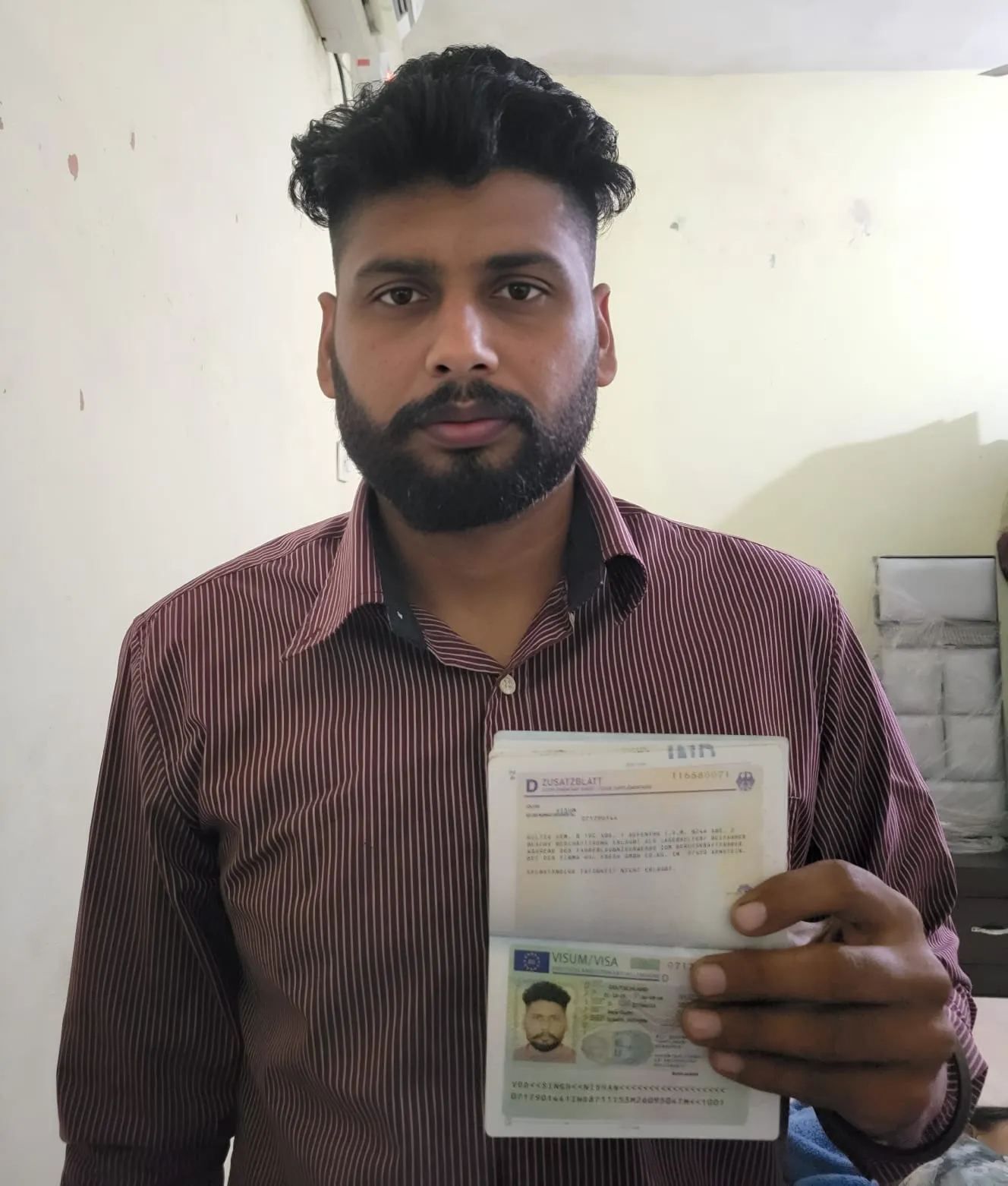
At AtoZ Serwis Plus, we help you become a global citizen with trusted support for jobs abroad, overseas education, and visa processing tailored to your goals.
Read More
Connecting employers, job seekers, students, and agencies across Europe and beyond.
Looking to hire skilled or semi-skilled workers from Asia, Africa, the CIS, or EU countries? AtoZ Serwis Plus supports your recruitment needs for Poland, Germany, Slovakia, Hungary, Lithuania, Estonia, and beyond. We deliver comprehensive legal recruitment services, visa support, and seamless onboarding solutions tailored to your business goals. Partner with us to build a reliable, compliant, and efficient workforce.
EmployerLooking to hire skilled or semi-skilled workers from Asia, Africa, the CIS, or EU countries? AtoZ Serwis Plus supports your recruitment needs for Poland, Germany, Slovakia, Hungary, Lithuania, Estonia, and beyond. We deliver comprehensive legal recruitment services, visa support, and seamless onboarding solutions tailored to your business goals. Partner with us to build a reliable, compliant, and efficient workforce.
Job SeekersAre you a recruiter looking to place workers in Poland, Germany, Slovakia, or other EU destinations? AtoZ Serwis Plus provides you with trusted employer connections, legal recruitment solutions, verified job placements, and full visa assistance. Expand your recruitment business with confidence, supported by clear processes, reliable documentation, and transparent migration services.
RecruiterLooking to work and live in Europe? At AtoZ Serwis Plus, we’re here to guide you every step of the way. Our experts provide support with job search assistance, work visa applications, qualification recognition, and European language learning. To connect with us and get started on your European journey, click one of the contact icons below.
Copyright © 2009-2026 AtoZ Serwis Plus. All Rights Reserved.